When people search hybrid inverter price Kinshasa, they don’t just want numbers — they want to know what actually works in daily life. In Congo, power cuts are frequent, fuel is expensive, and reliability matters more than specs.
This guide breaks down real-use scenarios + prices to help you choose correctly.
Table of Contents
What Is a Hybrid Inverter (Simple Explanation)
A hybrid inverter connects:
- Solar panels
- Batteries
- Grid or generator
👉 In Kinshasa, most users rely on it for backup + daily electricity savings, not just solar.
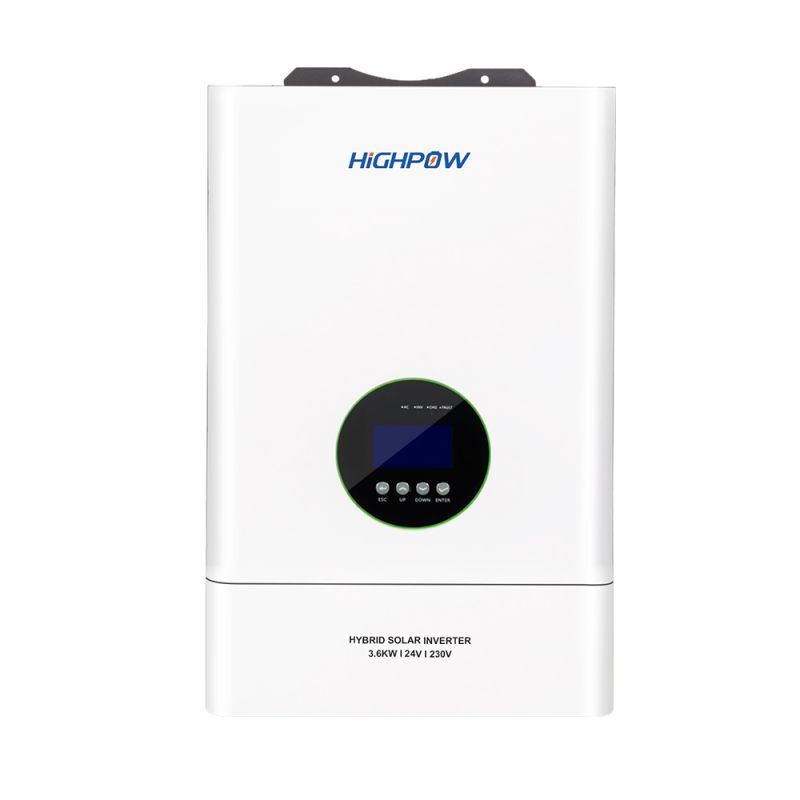
3kW Hybrid Inverter Price in Kinshasa (Entry Level)
Real Price Range
- Around $900 – $1,600 locally
What You Can Actually Run
In a typical Kinshasa home:
- 6–10 LED lights
- 1 TV
- 1 fan
- Phone charging
Real User Scenario
A small household in Limete uses a 3kW system mainly during outages. It works well at night, but:
❌ Cannot run iron, kettle, or air conditioner
👉 Conclusion: Good for basic backup, not full home power.
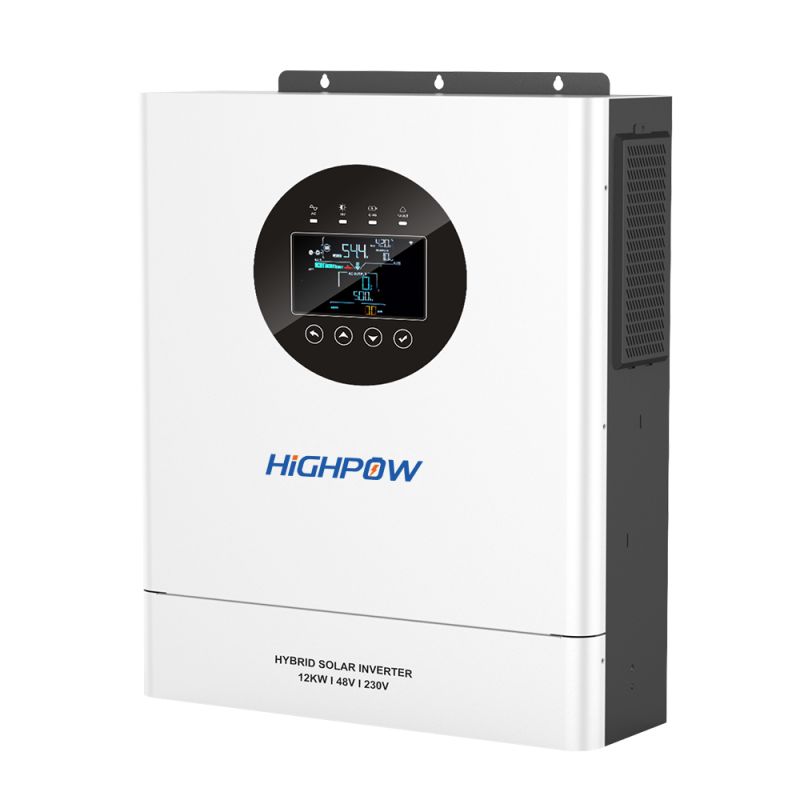
5kW Hybrid Inverter Price in Kinshasa (Most Popular)
Real Price Range
- Around $1,400 – $2,600
What You Can Actually Run
- Lights + TV + fridge
- WiFi + laptops
- Small water pump
- Occasional AC (not all at once)
Real User Scenario
A small shop owner in Gombe uses a 5kW system:
- Runs fridge + POS system
- Keeps business open during outages
- Cuts generator fuel cost by ~50%
👉 Conclusion: This is the sweet spot in Africa.
10kW Hybrid Inverter Price in Kinshasa (Commercial Use)
Real Price Range
- Around $2,200 – $4,200
What You Can Actually Run
- Multiple air conditioners
- Freezers
- Office equipment
- Salon machines / clinic devices
Real User Scenario
A small hotel installs a 10kW system:
- Runs reception, lights, and AC
- Uses generator only as backup
- Saves thousands per year on diesel
👉 Conclusion: Best for business and heavy loads.
3kW vs 5kW vs 10kW (Real-Life Comparison)
| Size | Daily Experience | Who Should Buy |
|---|---|---|
| 3kW | Only basic electricity | Small homes |
| 5kW | Comfortable daily use | Most families ⭐ |
| 10kW | Full power, no stress | Business / villas |
Why Prices in Kinshasa Feel “High”
Many buyers are surprised by pricing. Here’s why:
1. Import + Transport
Most inverters come from China → shipping + customs increase cost.
2. Battery Matching
Hybrid inverters require batteries (often lithium), which can cost more than the inverter itself.
3. Installer Margins
Local installers add:
- Setup fees
- Wiring
- Technical support
👉 Real tip: Sometimes buying from a supplier with local stock is cheaper overall.
What People Regret After Buying
From real African market feedback:
❌ Buying too small (3kW → upgrade later = more expensive)
❌ Ignoring battery quality
❌ Choosing cheapest inverter without support
👉 Smart buyers in Kinshasa usually go directly for 5kW to avoid future upgrades.
Best Setup Recommendation (Kinshasa 2026)
For most homes:
- ✅ 5kW hybrid inverter
- ✅ 5–10kWh lithium battery
- ✅ 6–10 solar panels
This setup:
- Covers daily needs
- Handles outages
- Reduces generator usage significantly
FAQ (Simple & Practical)
How much is a hybrid inverter in Kinshasa?
Typically $900 to $4,200, depending on size and brand.
Is 3kW enough for a house?
Only for basic needs, not full household use.
Why is 5kW the most popular?
Because it balances:
- Price
- Power
- Flexibility
Final Thoughts
Choosing the right hybrid inverter price Kinshasa is not about buying the cheapest — it’s about buying what fits your real life.
- Small budget → 3kW
- Smart long-term → 5kW ✅
- Business → 10kW
👉 In Africa, reliability is everything. A slightly higher upfront cost often means years of stable electricity and savings.