Table of Contents
Why Getting the Solar Battery Size Right Matters
Sizing a battery isn’t about buying the biggest unit on the market; it is about efficiency and return on investment (ROI). A properly sized system ensures you maximize self-consumption of your solar energy, shielding you from expensive peak grid rates . Furthermore, with federal and state incentives often providing a one-time rebate, oversizing or undersizing now means missing out on savings you cannot reclaim later .
Step 1: Understanding the Metrics (kW vs. kWh)
Before diving into calculations, you must understand the two key measurements that define solar battery size for home use.
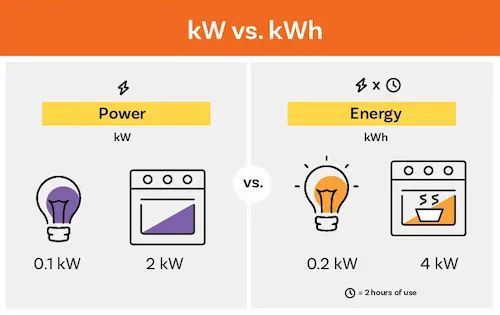
- Kilowatt (kW) – The Power: This measures how much electricity a battery can deliver at a single moment. It determines how many appliances you can run simultaneously. If you want to run a high-powered air conditioner or charge an electric vehicle, you need a battery with a high kW output .
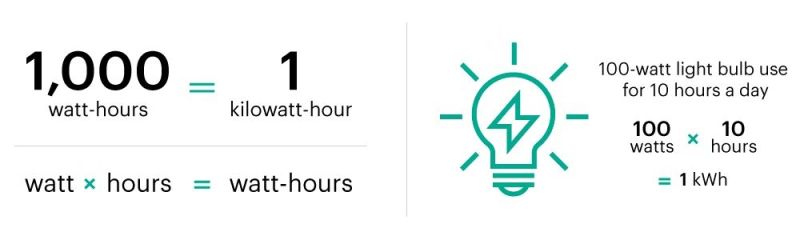
- Kilowatt-hour (kWh) – The Energy: This measures the total amount of electricity stored in the battery. It determines how long your appliances will run. A 10 kWh battery can power a device that uses 1 kW for roughly 10 hours .
The Rule of Thumb: Think of kW as the size of a pipe (how much water can flow at once) and kWh as the size of the water tank (how long the water will last). Your solar battery size for home must balance both.
Step 2: Define Your Mission
The right size changes dramatically based on what you want the battery to do . Generally, homeowners fall into one of three categories:
- The Bill Buster (Self-Consumption): You want to store excess solar energy during the day to use it at night when grid prices spike. You are less concerned about multi-day outages and more about avoiding peak tariffs.
- The Blackout Shield (Backup Power): You want to keep the lights on, the fridge running, and the modem active when the grid goes down. You need enough capacity to cover your critical loads for a few hours or days .
- The Freedom Seeker (Off-Grid/VPP Ready): You want maximum independence or plan to join a Virtual Power Plant (VPP) to sell energy back during price spikes .
Step 3: Calculating Your Consumption (The Math)
To find the ideal solar battery size for home, you need to look backward to plan forward.
Find Your Daily Usage
Grab your electricity bill. Look for “Average Daily Consumption” measured in kWh. In the US, the average home uses roughly 30 kWh per day, though this varies wildly by climate and home size .
The “70% Rule” for Nighttime Use
Unless you work from a dark cave, you don’t need to store your entire daily usage. You only need to store the energy you use when the sun isn’t shining.
This “21 kWh” is the amount of stored energy you would need to effectively run your home from sunset to sunrise without touching the grid.
Critical Loads vs. Whole Home
If you are looking at solar battery size for home backup only (not full offset), you must calculate your critical loads.
- List essential items: Refrigerator (~1.5 kWh/day), Lights (~1 kWh/day), Internet/Modem (~0.5 kWh/day), Sump Pump/Medical devices.
- Sum these up. Most critical load panels require between 10 kWh and 20 kWh to run comfortably through an overnight outage .
Step 4: The Deep Dive into “Usable Capacity”
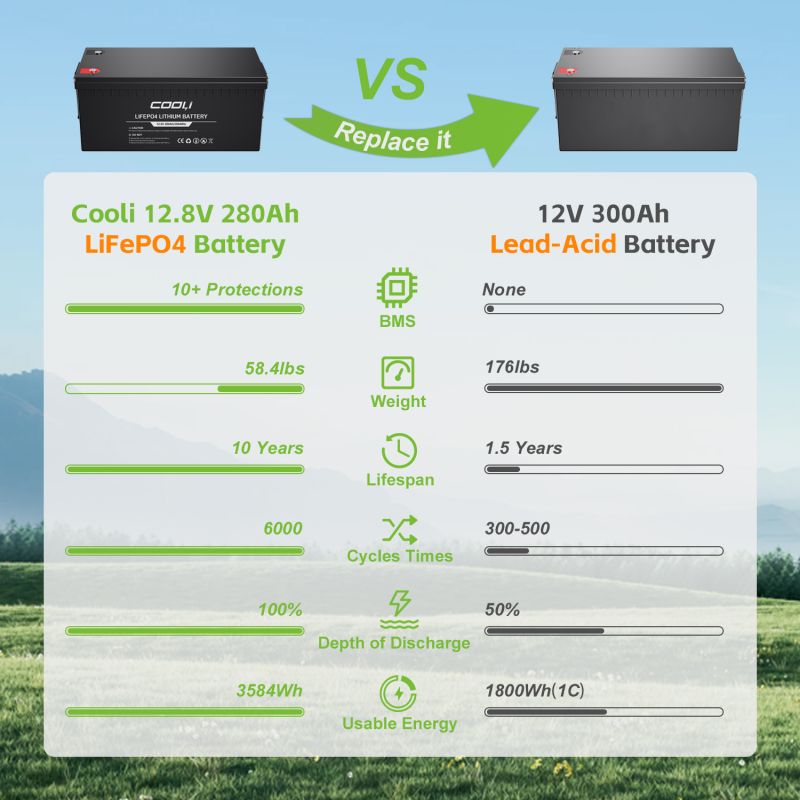
Here is where most homeowners get tripped up. A 10 kWh battery rarely gives you 10 kWh of power. This is due to Depth of Discharge (DoD) .
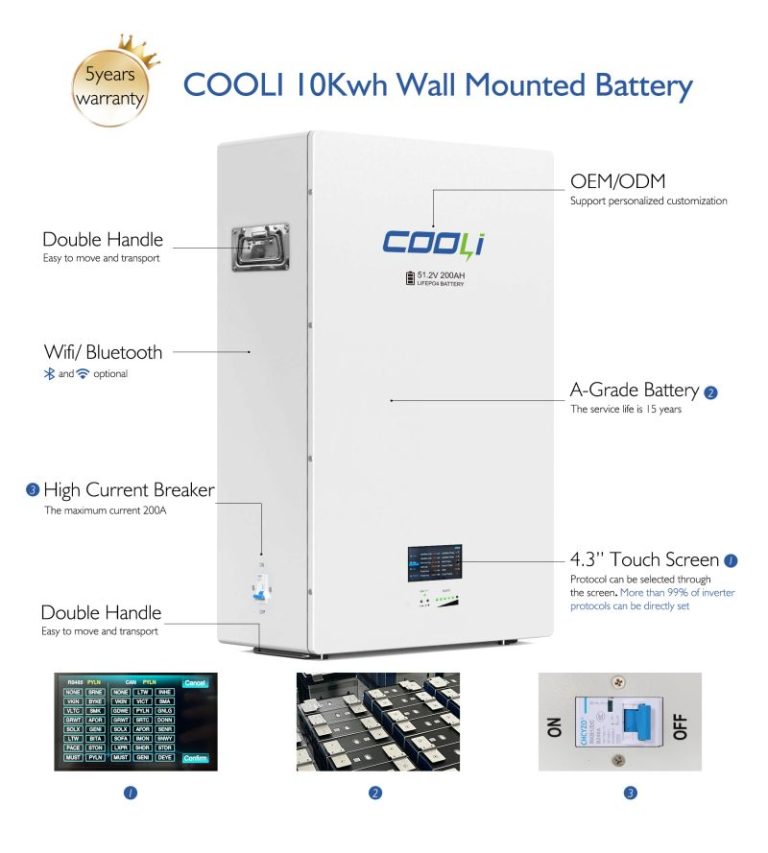
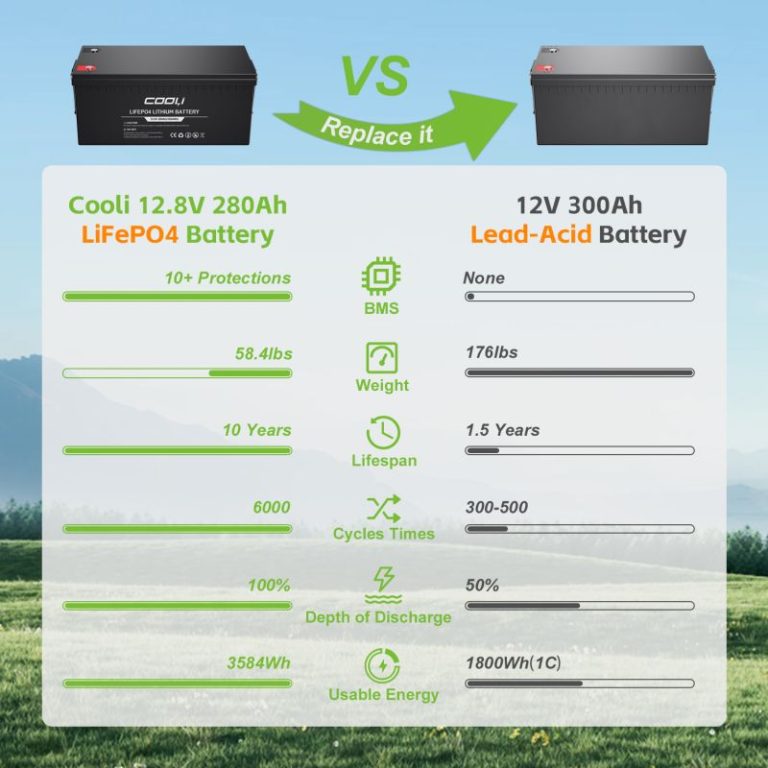
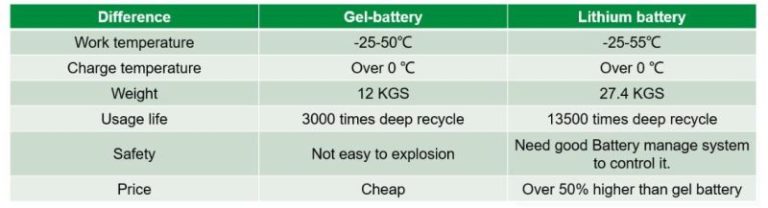
- Lithium-Ion (LFP): Modern home batteries (like LiFePO₄) allow for 80% to 100% DoD. This means you can safely use most of the stored energy without damaging the battery .
- Lead-Acid: Older technologies often recommend only 50% DoD to preserve lifespan. You would need double the nameplate capacity to get the same usable energy .
The Formula:
*Usable Energy = Total Battery Capacity × DoD × Inverter Efficiency (approx. 95%)* .
If you need 15 kWh of power overnight, you need a battery bank slightly larger than 15 kWh to account for these small losses.
Step 5: Matching Battery Size to Solar Array
You cannot pair a massive battery with a tiny solar panel array because the panels won’t generate enough excess energy to fill it up. As a general guideline, your battery capacity should align with your solar output.
- A 6.6 kW solar system (common in 2026) might pair well with a 10–13.5 kWh battery.
- A larger 10 kW+ solar system can comfortably support 16–20+ kWh of storage .
If your battery is too large for your panels, you may find yourself pulling from the grid to charge the battery, which defeats the purpose of saving money .
Step 6: The Future-Proofing Buffer
Are you planning to buy an electric vehicle (EV) next year? Switch from gas heating to electric heat pumps? If so, your current solar battery size for home might be insufficient in 24 months .
The 20% Rule: Add a 20% buffer to your calculated size to accommodate future electrification.
This ensures your investment lasts through your home”s full energy transition.
Sizing Recommendations by Household
Based on industry data, here is a quick reference guide for solar battery size for home :
| Household Type | Daily Usage | Recommended Battery Size | Primary Goal |
|---|---|---|---|
| Small / Apartment | 8–12 kWh | 5–10 kWh | Evening basics |
| Couple / Small Family | 12–18 kWh | 10–13.5 kWh | Peak avoidance |
| Medium Family (3-4) | 18–25 kWh | 13.5–16 kWh | Backup + Savings |
| Large Family / EV | 25–40+ kWh | 16–20+ kWh | Independence / VPP |
What Happens If You Pick the Wrong Size?
- Too Small: Your battery will deplete by 9 PM, forcing you to buy expensive grid power for the rest of the night. During an outage, you may only have power for a few hours .
- Too Large: You leave thousands of dollars of capacity idle. If your battery never fully charges due to insufficient solar generation, you may actually increase your payback period .
Conclusion: The Right Fit Feels Like Freedom
Determining the right solar battery size for home is a balancing act between your budget, your energy consumption, and your ambitions. By calculating your nightly load, accounting for depth of discharge, and adding a buffer for the future, you can select a system that not only saves money but provides genuine peace of mind.
Before purchasing, use an online solar battery size calculator or consult with an accredited installer to run a formal load profile on your home. Energy independence isn”t about going big; it”s about going smart .
Frequently Asked Questions (FAQ)
Q: Is a 10kW or 5kW battery better?
A: It depends on your inverter. “kW” usually refers to power output, not storage capacity. For storage, look at kWh. A 5kW inverter paired with a 10kWh battery is common for essential loads. For whole-home backup with high-powered AC or EV charging, you likely need a 10kW inverter paired with a 15kWh+ battery .
Q: Can I add more batteries later?
A: Yes, if you choose a modular system. Many modern batteries (like those using LFP chemistry) allow stacking. However, mixing old and new batteries is generally not recommended. It is best to plan for expansion at the time of initial installation .
Q: How long will a 10kWh battery power my home?
A: If your home uses 1,000 watts (1 kW) of power constantly, it will last about 10 hours. However, a typical home might use 2-3 kW in the evening, so a 10kWh battery might last 3-5 hours depending on your specific load .
Q: Should I size my battery for daily savings or emergency backup?
A: Ideally, both. If you are on a Time-of-Use (TOU) rate, size it for your daily evening load (savings). The emergency backup is then a bonus. If you live in an area with frequent natural disasters, prioritize backup sizing even if it means a slightly larger bank than you need for daily savings .