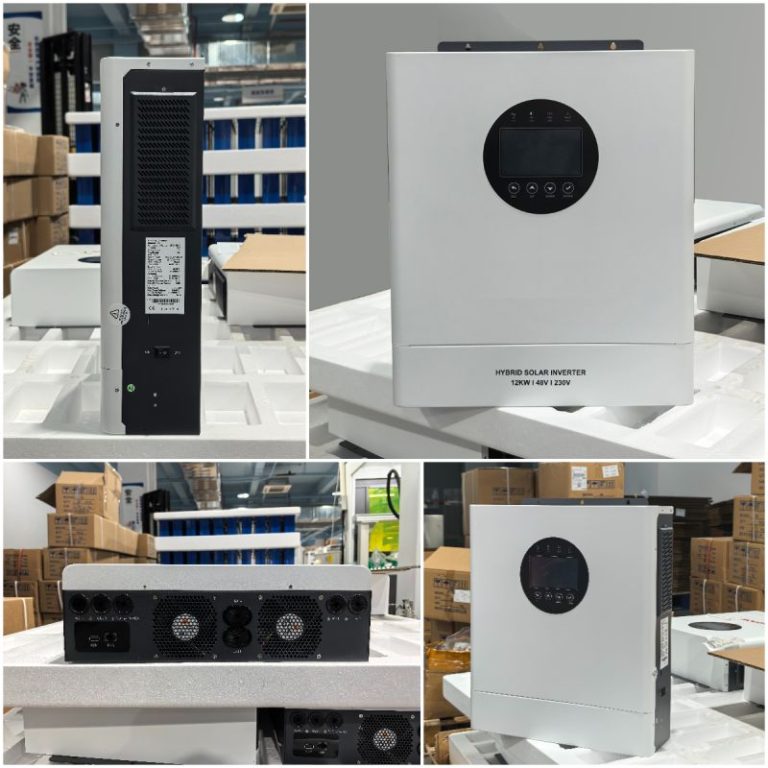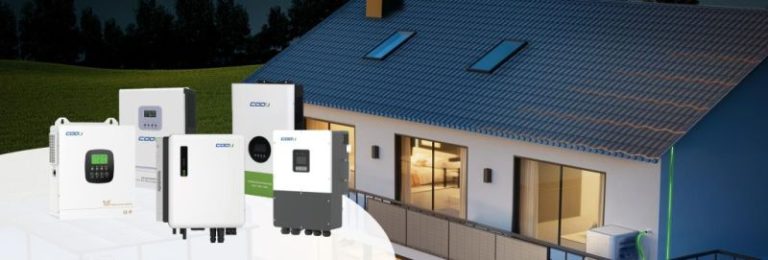
Living in Kinshasa, you’re probably familiar with the occasional power outage (délestage). For households seeking a stable power supply, solar panel systems have gone from a luxury to a necessity. However, with varying technologies and price fluctuations in the market, understanding the true market situation in 2026 is the first step to making informed investments. This guide will provide a detailed analysis of the price, influencing factors, and purchasing strategies for 5kWh solar panels in Kinshasa.
In Kinshasa, power outages are not just an occasional nuisance, but a part of daily life. With the global energy transition and fluctuating raw material prices, the solar cell market is undergoing significant changes in 2026. For most households in Kinshasa, the core issue in finding a reliable backup power solution often centers on cost.
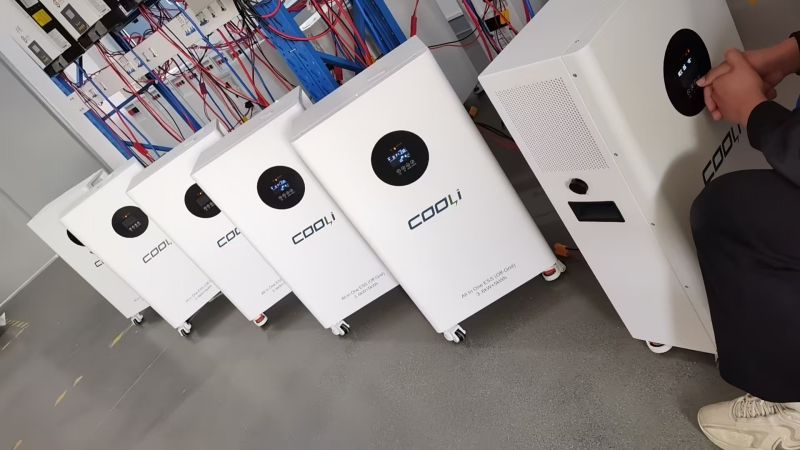
A 5kWh energy storage system is often considered an ideal entry-level option for urban households to achieve basic power security. But before making a decision, it’s crucial to understand why there are such significant price differences even among batteries, and what kind of system is best suited for Kinshasa’s frequent power outages and hot climate.
Table of Contents
Average 5kWh Solar Battery Price in Kinshasa
Based on international market data from 2026, the hardware price of a 5kWh home battery system is approximately $570. However, end consumers in Kinshasa typically pay a higher price than this base quote. This is primarily due to logistics, tariffs, and service costs from local suppliers.
Entering 2026, global battery prices continue to face upward pressure due to raw material scarcity (lithium, cobalt, nickel) and manufacturing bottlenecks. As an end user, when inquiring about prices in Kinshasa, it is advisable to narrow your budget to a wider range, as the cost of the inverter and installation accessories is typically considered in addition to the battery itself. A reasonable budget for a complete, operational 5kWh entry-level lithium-ion battery system (including necessary installation components) in the Kinshasa market in 2026 is estimated to be between $800 and $1,200 (depending on brand and accessories).
Lithium vs Gel Battery Price Comparison
In Kinshasa, the two most common choices are lithium-ion batteries and gel batteries. While lead-acid batteries still exist, they are gradually being phased out in the urban household market by 2026 due to their cumbersome maintenance and unsuitability for frequent deep discharges. Below is a detailed comparison for 5kWh capacity:
| Comparison Dimensions | Lithium-ion batteries (e.g., LiFePO4) | Gel batteries |
| Estimated unit price (battery only) | $570 – $700+ | Relatively low (depending on brand) |
| Daily Use Performance | Performance is ideal for daily charge/discharge cycles; it is not easily damaged even with deep discharge. | It can handle deep cycles, but frequent deep discharges will shorten its lifespan. |
| Service life | 5-10 years, with a cycle life of over 6000 cycles. | 3-5 years, with a typical cycle life of 500-1200 cycles. |
| Maintenance and Safety | Completely maintenance-free, with a built-in BMS battery management system, preventing gas leaks and suitable for indoor use. | Low maintenance, leak-proof, but ventilation is necessary in hot environments. |
| Energy Density and Weight | Lightweight and compact for the same capacity, suitable for apartments and mobile needs. | Relatively heavy, but an improvement over traditional lead-acid batteries in gel batteries. |
Conclusion: Although the initial purchase cost of gel batteries may be lower than that of lithium batteries, considering the almost daily power outages in Kinshasa, the long-term overall cost of lithium batteries (especially lithium iron phosphate LiFePO4) is actually lower. It eliminates the hassle of frequent battery replacements and can operate more stably at temperatures above 30°C.
What Affects Solar Battery Cost in Congo?
Why do battery prices fluctuate so much and are sometimes high in Kinshasa? There are several key factors:
Global Raw Materials and Supply Chain: Although the Democratic Republic of Congo (DRC) is a major cobalt resource producer, it relies heavily on imports for battery manufacturing. In 2026, global lithium prices entered an upward cycle due to demand recovery and supply disruptions, directly impacting import costs. International shipping delays and rising freight rates are also significant contributors.
Local Taxes and Logistics: As a special commodity, batteries incur much higher taxes and logistics costs during customs clearance and local transportation compared to ordinary goods.
Technology Type and Brand: Lithium iron phosphate (LFP) technology has become the industry standard due to its high safety and long lifespan, but its cost is higher than older lead-acid technology. Longer warranties (such as 10-year warranties) offered by high-quality brands are also included in the cost.
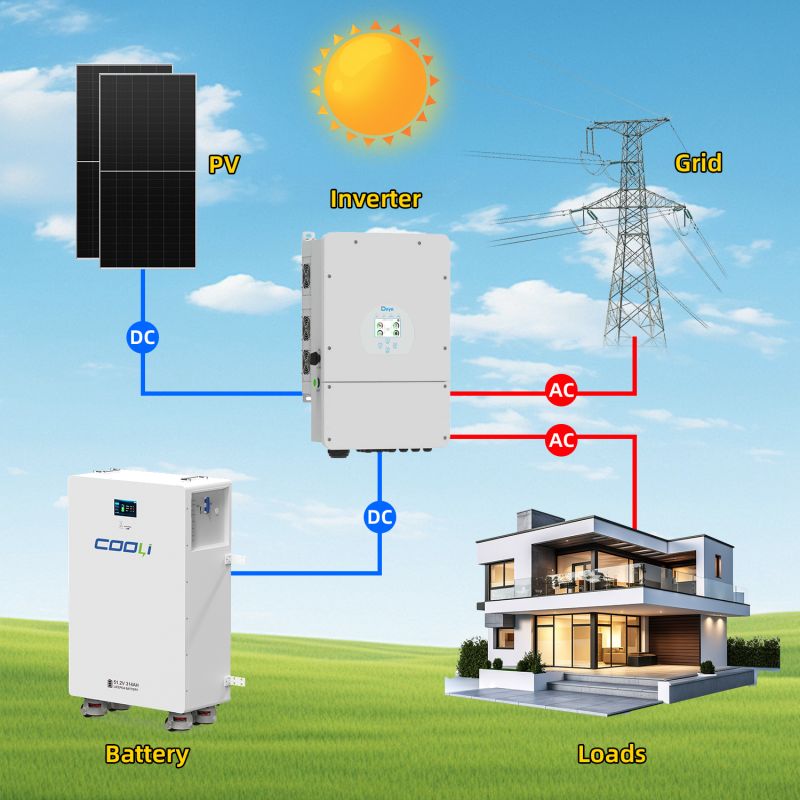
System Components and Installation: The choice of inverter (especially hybrid inverters vs. regular inverters) significantly affects the total price. Furthermore, the condition of your existing home circuit and whether an electrical panel upgrade is needed will incur additional labor costs.
Is 5kWh Enough for a Home in Kinshasa?
For most households in Kinshasa, a 5kWh capacity is more than sufficient, especially if you only want to ensure basic living needs.
What can it run? A 5kWh system, fully charged and without solar input, can easily support:
- Basic lighting (LED lights)
- Entertainment and communication (TV, router, phone charging)
- A small refrigerator (to keep running continuously and prevent food spoilage)
- A fan (to ensure comfortable sleep at night)
It is estimated that 5kWh can provide backup power for the above loads for 12 to 24 hours or more. With solar panels charging during the day, the system can even operate off-grid indefinitely. If you have high-powered air conditioners, water pumps, or electric stoves, 5kWh is mainly for short-term support, in which case you may need to consider expanding to 10kWh or 15kWh.
Where to Buy with Local Warehouse Support
When purchasing solar cells in Kinshasa, “local availability” is more important than price. Given the uncertainty of the global supply chain, choosing suppliers with physical inventory in local Kinshasa warehouses is crucial. This avoids:
- Long waiting times for sea freight after ordering.
- Frequent price increases due to international price fluctuations.
- The predicament of having no after-sales service.
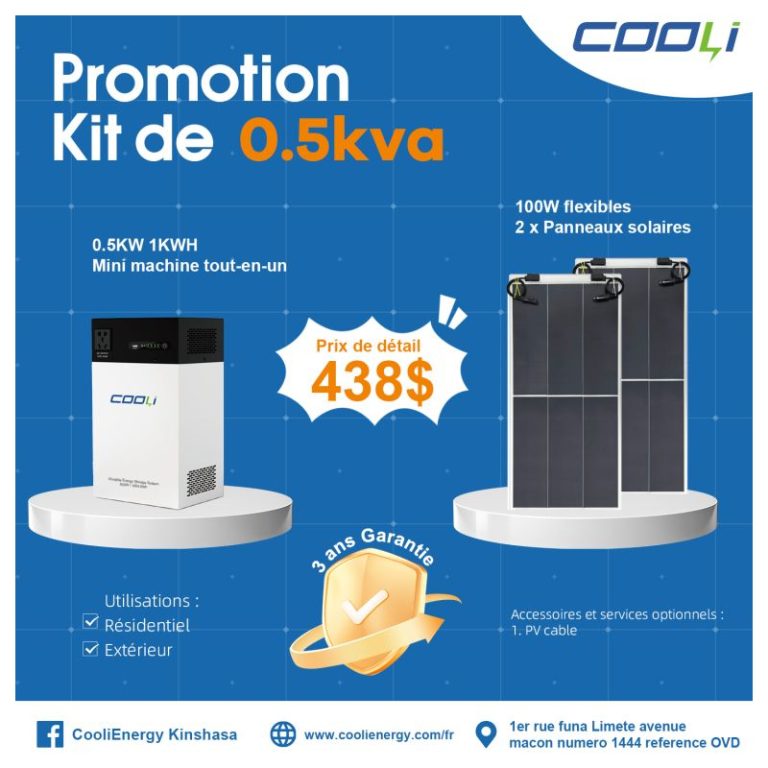
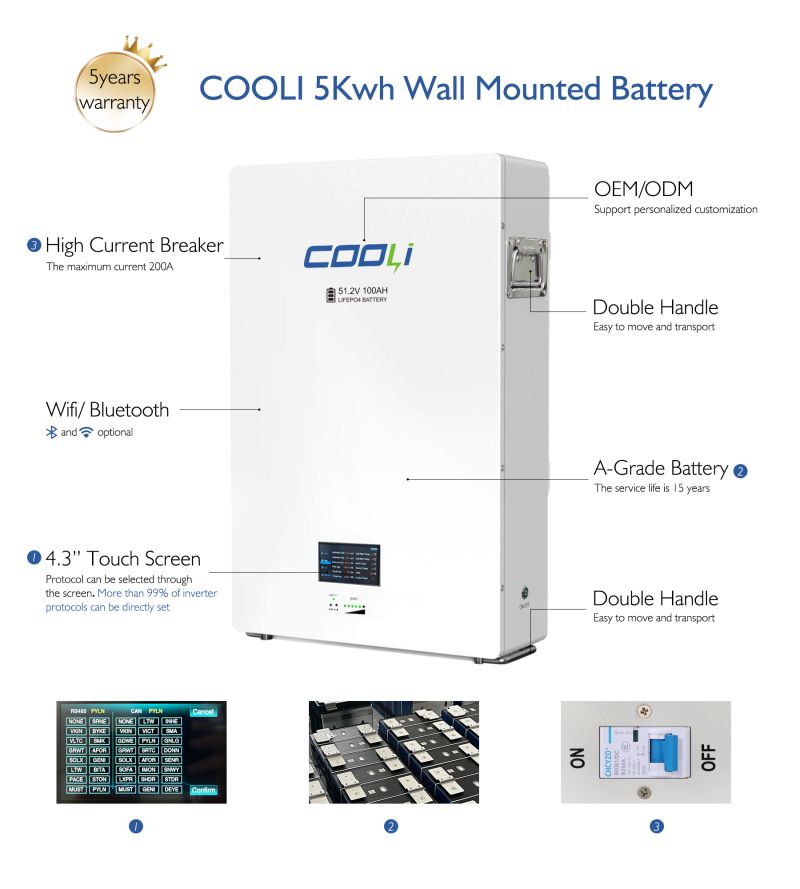
It is recommended to prioritize suppliers who provide proof of physical inventory and can offer local installation and technical support. During communication, be sure to confirm whether the batteries include a built-in BMS (Battery Management System), which is essential for use in Kinshasa’s hot and unstable power environment. Brands focused on the African market (such as Cooli 、CNTE or Highpow) can often provide integrated energy storage solutions better suited to the local climate.
Conclusion + CTA
Facing the rising global battery prices expected in 2026, investing in solar cells in Kinshasa is not only a solution to current power outages but also a hedge against future energy costs. A 5kWh lithium iron phosphate battery, with its safety, long lifespan, and maintenance-free operation, is currently the most rational choice for urban households.
While the initial investment may seem higher than purchasing a generator or older batteries, considering it as an investment lasting 5-10 years, the stable power, quiet environment, and zero fuel consumption it provides will bring an unprecedented improvement in quality of life for you and your family.
⚡ Tired of waiting in darkness and generator noise?
Want a customized 5kWh plan for your household’s electricity needs and the latest local quote?
[Click here or contact us] Consult your local Kinshasa energy storage expert now and lock in the best spot price for 2026!