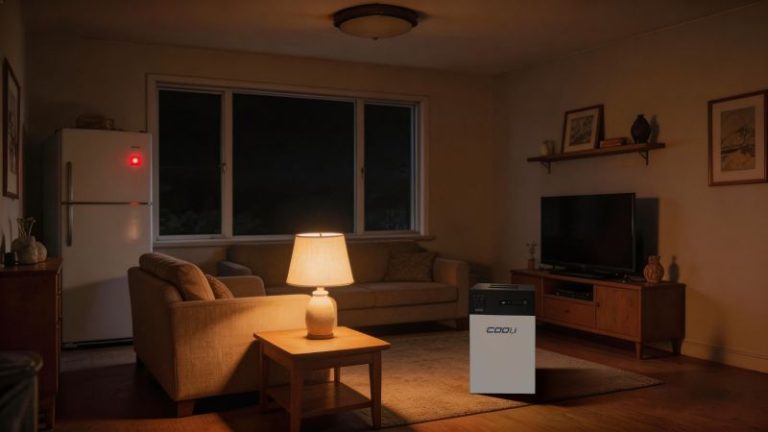
Imagine this: You’re running a small shop in Gombe, Kinshasa. The grid goes down—again. Your diesel generator roars to life, but fuel prices keep climbing, the noise drives away customers, and the fumes fill your workspace. Now imagine instead: silent, clean, reliable power that keeps your lights on, your phones charged, and your business running—without ever touching a fuel can.
That’s the reality of off-grid lithium battery solutions. And for residents and business owners in Kinshasa, they’re not just a luxury—they’re becoming a necessity.
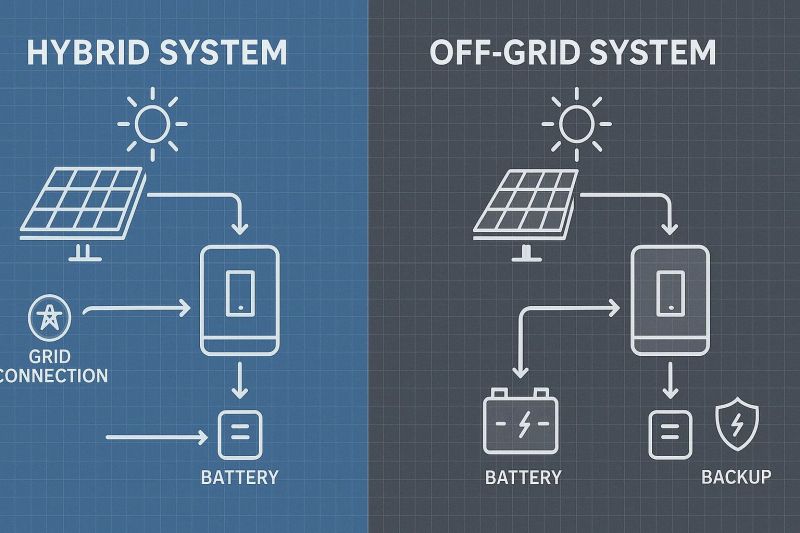
Table of Contents
Why Kinshasa Needs Off-Grid Lithium Battery Solutions
The Democratic Republic of Congo has one of the lowest electrification rates in the world. Only about 19% of the population has access to electricity—and in rural areas, that number drops below 2%. Even in the capital city, power supply disruptions are common. SNEL, the national electricity company, has reported outages affecting neighborhoods like Lemba, Matete, Kinsenso, and Limete following transformer failures and storm damage. In some cases, the collapse of critical transmission pylons could plunge nearly two-thirds of Kinshasa into darkness.
For those who do have grid access, reliability is a daily gamble. The grid is aging, maintenance is underfunded, and demand is growing faster than infrastructure can keep up. That’s why more and more Kinshasa households and businesses are turning to off-grid energy storage—taking control of their power instead of waiting for the grid to improve.
What Are Off-Grid Lithium Battery Solutions?
An off-grid lithium battery system stores energy from solar panels (or the grid when available) so you can use it when the sun isn’t shining or when the grid fails. At its core, every off-grid system includes three essential components:
- Solar panels – Capture sunlight and convert it to electricity.
- Lithium battery bank – Stores that electricity for later use.
- Inverter – Converts stored DC power into usable AC power for your appliances.
Unlike traditional diesel generators, lithium battery systems operate silently, produce zero emissions, and require almost no maintenance once installed.
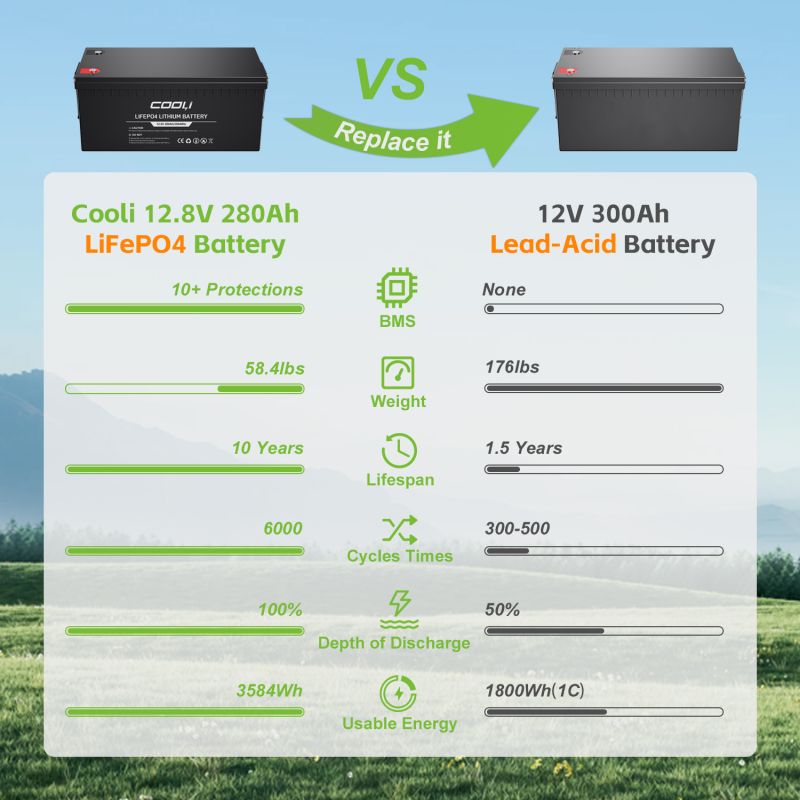
The gold standard in off-grid storage today is Lithium Iron Phosphate (LiFePO₄) chemistry. Compared to older lead-acid batteries, LiFePO₄ offers deeper discharge (80–100% vs. only 50%), far longer cycle life (4,000+ cycles vs. 300–500), and better tolerance for high temperatures—a critical advantage in Kinshasa’s tropical climate.
Lithium vs. Lead-Acid: Why the Switch Matters
If you’re used to the old lead-acid batteries that need water refills and die every few years, here’s what you need to know:
| Feature | LiFePO₄ Lithium | Lead-Acid (Gel/AGM) |
|---|---|---|
| Usable capacity | 80–90% | ~50% |
| Cycle life | 4,000–8,000 cycles | 300–500 cycles |
| Lifespan | 8–12 years | 3–5 years |
| Maintenance | None | Regular checks required |
| Temperature tolerance | -20°C to +60°C | 0°C to 40°C |
| Upfront cost | Higher | Lower |
| Cost per kWh over lifetime | Lower | Higher |
For daily or near-daily power needs—which is exactly what Kinshasa residents face—lithium batteries actually cost less over time, even though the initial price is higher. A lithium battery for solar wins on lifetime cost per kilowatt-hour where cycling is daily.
How to Choose the Right Lithium Battery for Your Needs
Step 1: Calculate Your Power Requirements
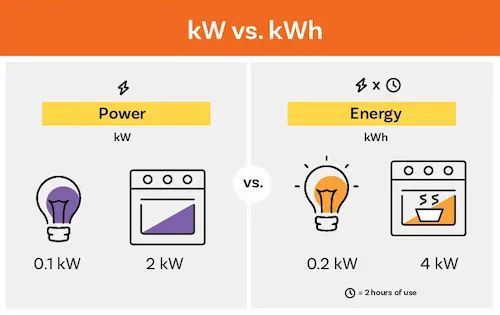
Add up the wattage of everything you want to run. A typical Kinshasa home might need power for lights, a refrigerator, a TV, phone charging, and maybe a fan. That could range from 2 kWh to 5 kWh per day.
Step 2: Determine Your Battery Capacity
Your battery capacity (measured in kilowatt-hours or kWh) should cover your daily needs plus at least one backup day for cloudy weather. A common starting point is a 5 kWh to 10 kWh system for a household.
Step 3: Match Your Inverter
Make sure your lithium battery communicates properly with your inverter. Most modern lithium batteries come with an integrated Battery Management System (BMS) that talks directly to compatible inverters, ensuring safe operation and efficient charging.
Step 4: Consider Future Expansion
Rack-mounted lithium batteries allow you to start small and add more capacity later. This modular design is perfect for Kinshasa homeowners who want to invest gradually.
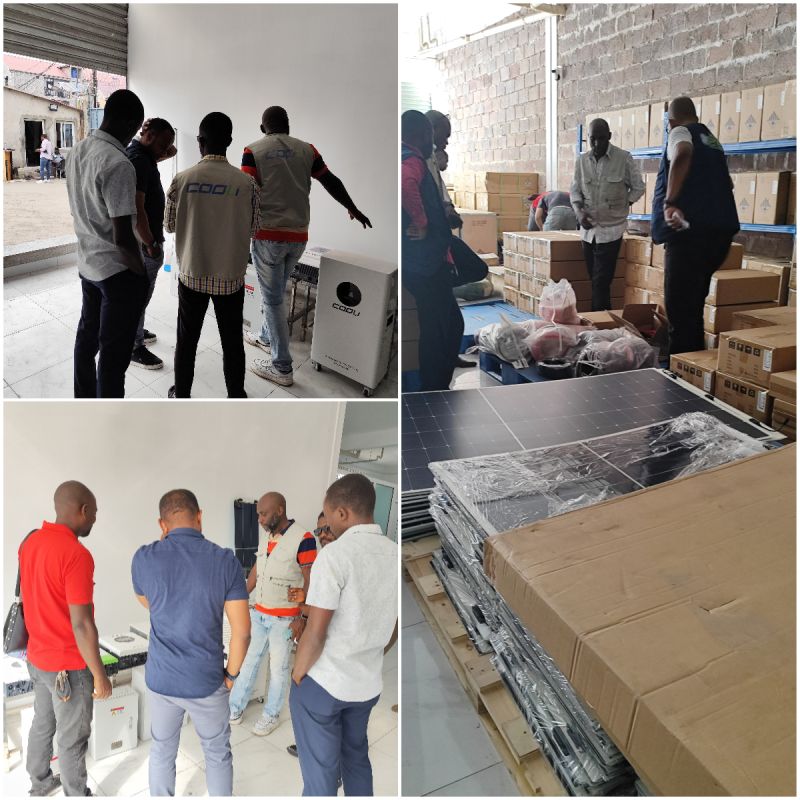
Where to Get Off-Grid Lithium Battery Solutions in Kinshasa
Good news: you don’t have to import from overseas anymore. Several suppliers now have a physical presence in Kinshasa:
- Felicitysolar recently opened its official brand store at 38 Avenue du Commerce in Gombe. With 18 years of solar industry experience, Felicitysolar currently ranks as the top-selling solar brand in Kinshasa and offers off-grid inverters, lithium battery packs, solar panels, and 24-hour local repair service.
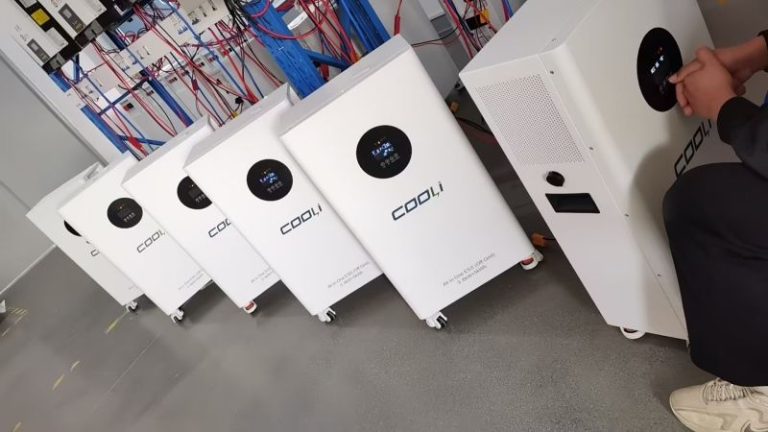
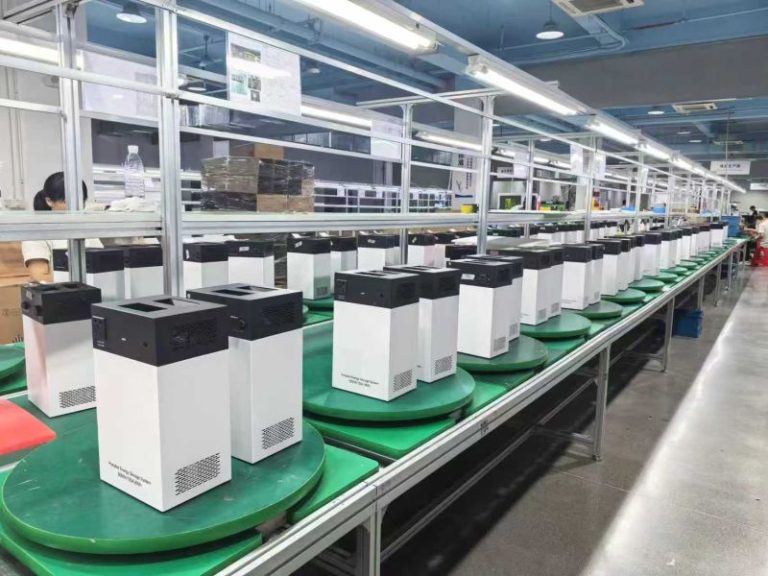
- Cooli New Energy has opened company-owned warehouses in Kinshasa in 2026, offering home storage batteries, inverters, and solar panels with local stock and faster warranty support.
- Africa Solaire S.A.R.L. is another local distributor based in Kinshasa.
- ELSHADDAI Sarl specializes in sustainable energy solutions with offices in Kinshasa and Bukavu, emphasizing long-term client relationships.
Having local suppliers means you can see products in person, get expert advice, and receive after-sales support—all critical factors when investing in an energy system.
The Investment: What to Expect
The upfront cost of a complete off-grid lithium battery system in Kinshasa typically ranges from $2,000 to $10,000 depending on capacity and brand. Here’s how to think about the investment:
- Import duties for lithium-ion batteries under HS Code 850760 in DRC are 25%. Buying from local distributors who already have inventory in Kinshasa helps you avoid these import costs and long shipping delays.
- Total Cost of Ownership (TCO) is the number that really matters. While lithium batteries cost more upfront, they deliver more usable energy per cycle and need fewer replacements. Over 8–10 years, the lifetime cost per kilowatt-hour is often half that of lead-acid.
- Many Kinshasa residents start with a smaller system and expand over time using modular rack-mounted batteries.
Why Go Off-Grid Now?
The case for off-grid lithium batteries in Kinshasa has never been stronger:
✅ Grid instability isn’t getting better soon. Despite government plans to raise electricity access from 21.5% to 62.5% by 2030, that’s still years away.
✅ Diesel is expensive and getting worse. Fuel costs eat into household and business budgets, and generators require constant maintenance.
✅ Solar is abundant. Kinshasa gets plenty of sunshine year-round—enough to power your home completely.
✅ Battery prices are dropping. Global lithium battery costs have fallen 85% since 2010, making off-grid systems more affordable than ever.
Ready to Take Control of Your Power?
Off-grid lithium battery solutions aren’t just about keeping the lights on. They’re about energy independence—no more waiting for SNEL, no more buying fuel, no more noisy generators.
Take action today:
- Visit a local supplier – Go see the products at Felicitysolar’s store in Gombe (38 Avenue du Commerce) or contact Cooli’s Kinshasa warehouse.
- Get a professional assessment – Have a technician evaluate your home or business power needs.
- Start small, grow smart – Begin with a battery system that covers your essentials, then expand as your budget allows.
Your power shouldn’t depend on an unreliable grid. With off-grid lithium battery solutions, you can generate, store, and use your own electricity—24/7, 365 days a year.