If you live in Kampala or operate a business within Uganda’s main power grid, you already understand how disruptive frequent power outages can be. As a result, many homeowners and small businesses are switching to 10kWh lithium-ion battery systems for quiet, reliable backup power without depending on fuel generators.
So what is the real price of a 10kWh lithium battery in Uganda today? Below is a practical 2026 guide covering market prices, installation costs in Kampala, long-term savings, and local stock availability.

Table of Contents
Current Prices of 10kWh Lithium-ion Batteries in Uganda
When shopping for a 10kWh system, you will generally find two purchasing options:
- Battery only
- Complete system (battery + inverter, sometimes with solar panels)
Understanding the difference is essential for setting a realistic budget.
1️⃣ Battery-Only Price in 2026
As of early 2026, the price of a standalone 10kWh Lithium Iron Phosphate (LiFePO₄) battery in Uganda typically ranges between:
UGX 6,000,000 – UGX 8,500,000
For example:
Deye 10.24kWh (51.2V) LiFePO₄ Battery
Average market price: UGX 6,290,000
(Prices vary depending on dealer stock and exchange rate.)
Key features include:
✔ Integrated Smart BMS (Battery Management System)
✔ 48V low-voltage system compatibility
✔ Stackable expansion design
✔ Long cycle lifespan
Other 48V lithium brands available in Kampala, such as Felicity and similar models, typically range between:
UGX 5,800,000 – UGX 7,500,000
⚠ Note: Prices fluctuate based on USD exchange rates and import costs.
2️⃣ Complete 10kWh Solar + Battery System Cost
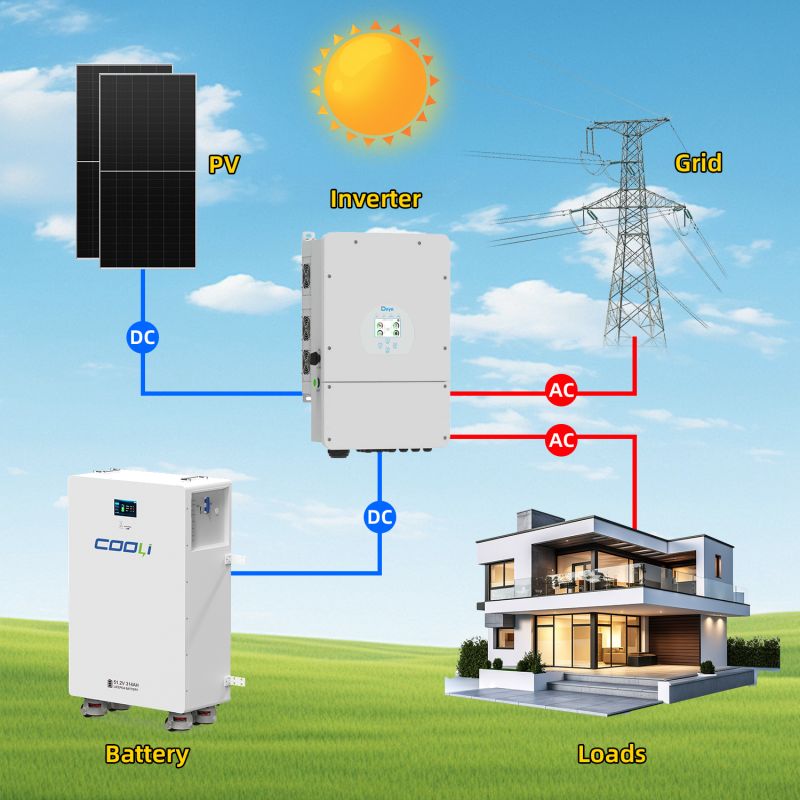
If you do not already own a hybrid inverter or solar panels, you will require a complete system.
Typical Cost Structure
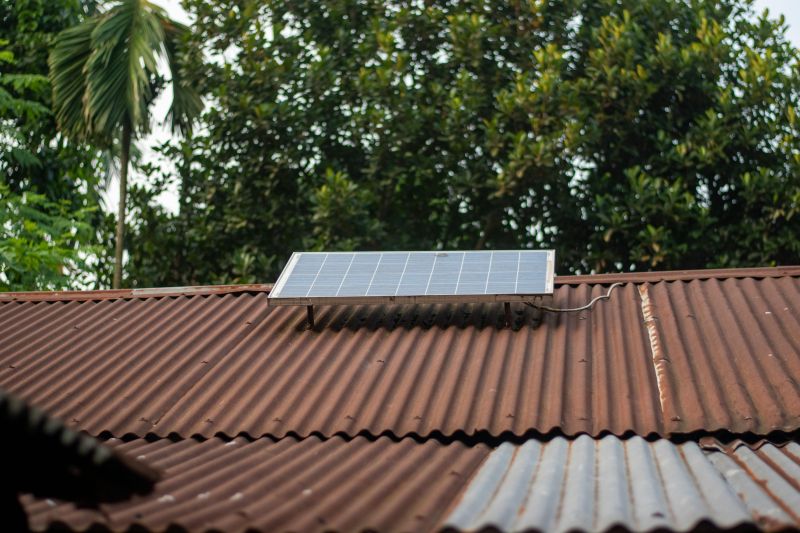
- 10kWh lithium battery + 5kW–10kW hybrid inverter
- Optional solar panel installation
- Protection equipment and mounting accessories
Estimated Total Installed Cost:
UGX 10,000,000+
Final pricing depends on:
✔ Solar panel capacity
✔ Installation complexity
✔ Brand selection
✔ Site conditions
Bundled kits are often more economical than buying each component separately.
Installation Costs in Kampala
Purchasing the battery is only part of the investment. Proper professional installation is critical for lithium systems.
Typical Installation Fee Range
UGX 500,000 – UGX 1,200,000
This usually covers:
Electrical & Safety Work
✔ DC cable upgrades
✔ Circuit breakers and fuses
✔ Isolators and changeover switches
✔ Proper grounding system
Technical Configuration
✔ Inverter programming (CAN / RS485 communication)
✔ Battery mounting (rack or wall type)
Correct communication between the inverter and battery ensures optimal performance and longer lifespan.
⚠ Beware of “Free Installation” Offers
Before agreeing to free installation, confirm:
✔ Are protection devices included?
✔ Is grounding properly done?
✔ Is the installer certified for your inverter brand?
✔ Does installation maintain warranty validity?
Improper setup may void the manufacturer warranty.
Lithium Batteries vs Generators: Cost Comparison
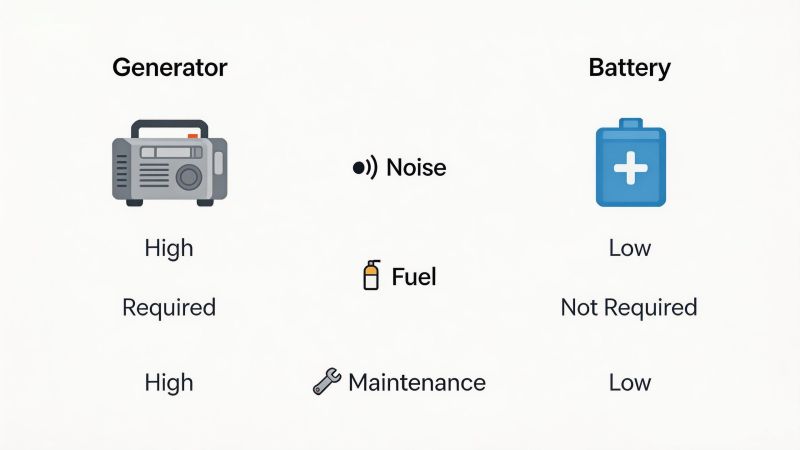
For years, generators have been the common backup solution in Uganda. However, rising fuel costs are changing the economics.
Monthly Generator Costs
A small generator typically consumes:
1 – 1.5 liters of fuel per hour
With 3–4 hours of daily outages:
Monthly fuel cost: UGX 300,000 – UGX 600,000+
Additional expenses include:
✔ Oil changes
✔ Spare parts
✔ Repairs
✔ Noise and emissions
Lithium Battery Operating Costs
Once installed with solar panels:
✔ Charging cost: UGX 0
✔ No fuel required
✔ No mechanical maintenance
Most users find the system pays for itself within 3–5 years through fuel savings alone.
Why Lithium Is Ideal for Uganda’s Daily Blackouts
Uganda experiences frequent but short power outages — a pattern that favors lithium technology.
1️⃣ Higher Usable Capacity
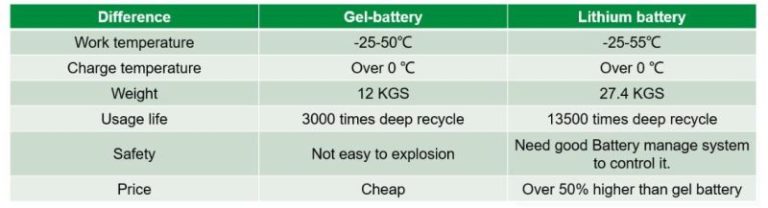
Lead-acid batteries:
- Maximum recommended discharge: 50%
- Usable capacity: Only half of rated value
Lithium (LiFePO₄) batteries:
- 80%–100% usable capacity
- A 10kWh battery delivers nearly the full 10kWh
This effectively doubles real backup time compared to lead-acid systems of similar size.
2️⃣ Faster Charging Speed
Uganda benefits from strong solar radiation.
Lithium batteries:
✔ Absorb peak solar power efficiently
✔ Recharge much faster than lead-acid
✔ Ensure full charge before evening outages
Lead-acid batteries often waste excess solar energy due to slow charging rates.
3️⃣ Longer Lifespan
Typical Cycle Life Comparison
| Type de batterie | Cycle de vie |
|---|---|
| Lead-acid | 300–500 cycles |
| LiFePO₄ Lithium | 6,000+ cycles |
Under daily use:
✔ Lead-acid: 1–2 years lifespan
✔ Lithium: 10–15+ years lifespan

Kampala Stock Availability (2026 Update)
Buyers often worry whether batteries are physically available or only advertised online.
Commonly Available Types
Most Kampala suppliers stock:
✔ 48V low-voltage lithium batteries
✔ Rack-mounted batteries
✔ Wall-mounted batteries
These are compatible with major inverter brands such as:
✔ Deye
✔ Growatt
✔ Sunsynk
The Industrial Area and Jinja Road remain key solar equipment hubs.
Questions to Ask Before Purchasing
Before making payment, confirm:
✔ Is it genuine LiFePO₄ chemistry?
✔ Is the BMS compatible with my inverter?
✔ Is local warranty support available?
✔ Can I inspect the battery physically?
✔ Is installation included or charged separately?
Clear answers reduce risk and protect your investment.
Conclusion
In Uganda today, a 10kWh lithium battery costs approximately:
UGX 6,000,000 – UGX 7,000,000 (battery only)
While the upfront cost is significant, lithium batteries offer:
✔ Lower long-term energy costs
✔ Zero fuel dependency
✔ Longer lifespan
✔ Higher efficiency
For homes and businesses dealing with frequent power outages, lithium technology remains the smarter long-term solution.
If you’re planning to upgrade your backup system, request detailed quotations from trusted Kampala suppliers based on your inverter model and energy demand. Comparing options carefully ensures better performance and long-term value.