Table of Contents
Living With Power Cuts in Kinshasa
If you live in Kinshasa, you already know one thing: electricity is not reliable.
Some days the power goes off for hours. Other times, it’s unstable and damages appliances. Many families still depend on SNEL, but outages remain common.
Because of this, more households are now switching to home battery systems—not as a luxury, but as a basic necessity.
What Does a Home Battery Actually Do?
A home battery stores electricity so you can use it when the grid fails.
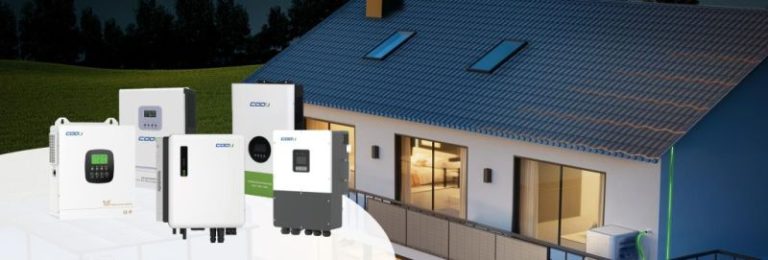
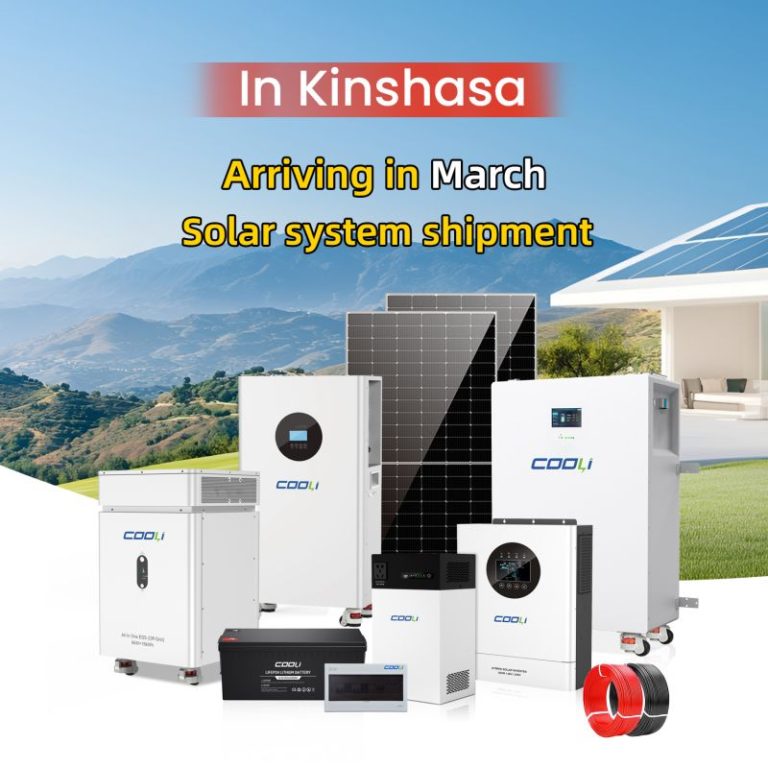
In Kinshasa, it is usually combined with:
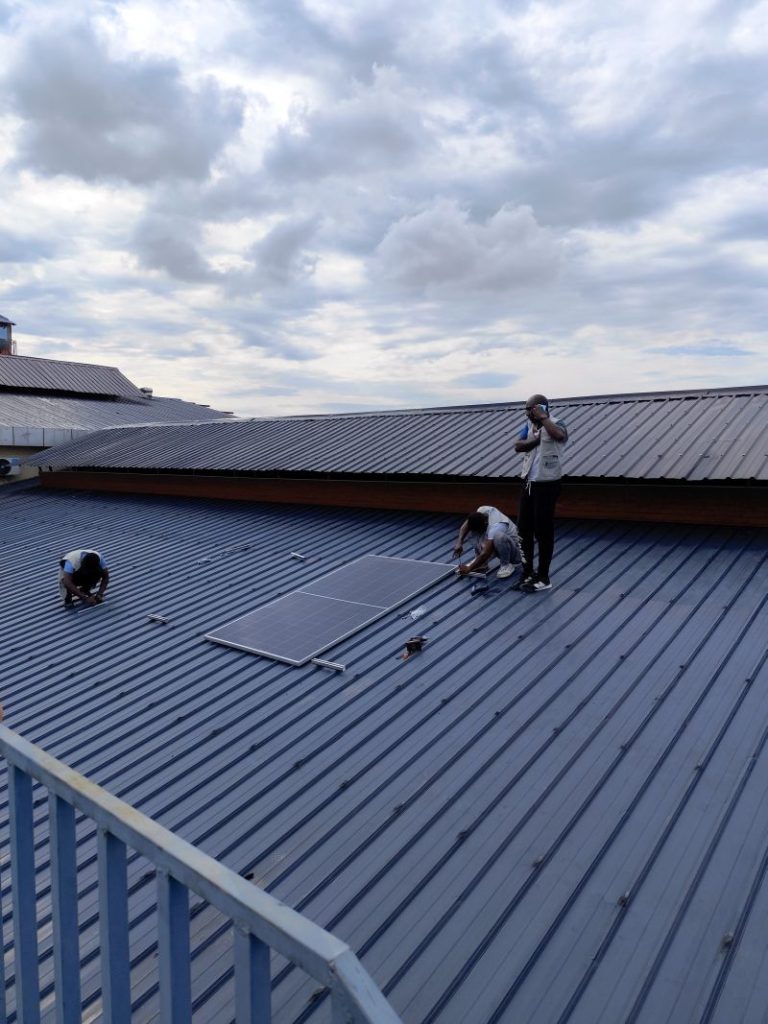
- Solar panels (for daytime charging)
- An inverter (to power appliances)
- Battery storage (for night and outages)
This means:
✔ Lights stay on
✔ Fridges keep running
✔ Businesses don’t stop
Which Battery Type Works Best in Kinshasa?
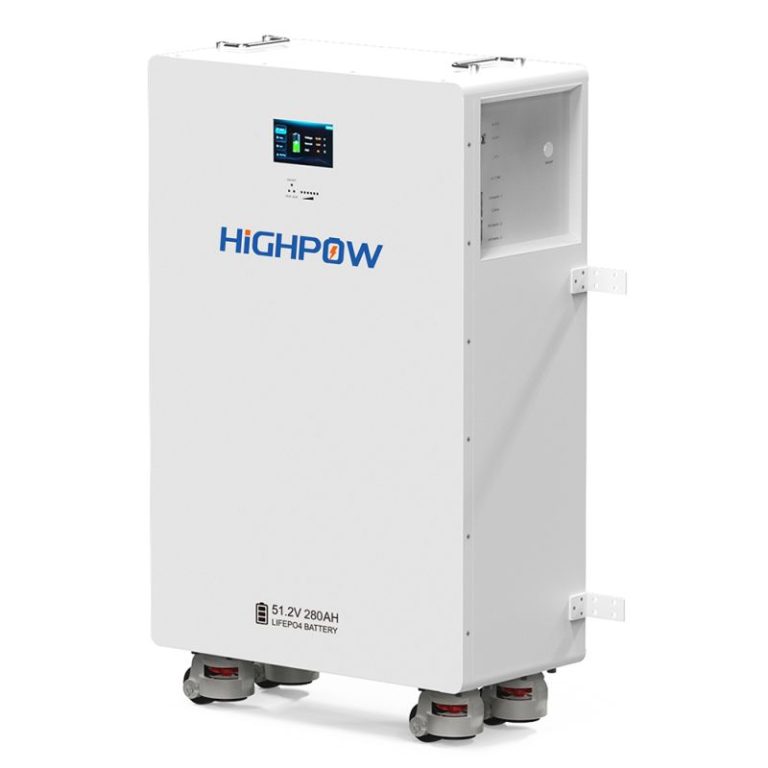
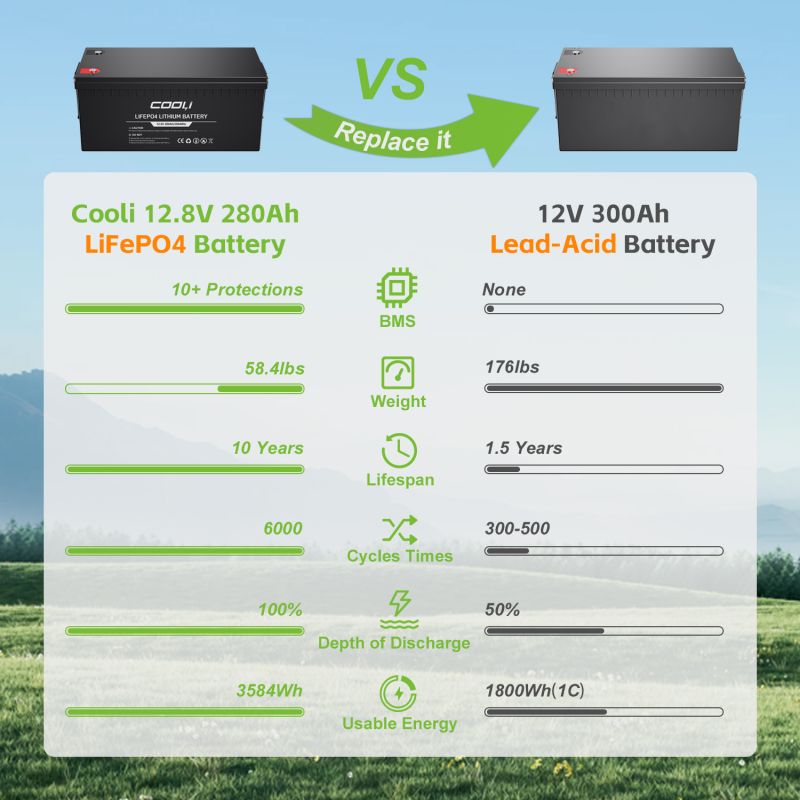
Lithium (LiFePO4) – Built for African Conditions
This is currently the most reliable option on the market.
Why people are choosing it:
- Handles heat better (important in Congo climate)
- Lasts many years without replacement
- No need for regular maintenance
- Stable performance even with unstable grid
👉 For most homes in Kinshasa, lithium is the safest long-term choice.
Lead-Acid – Cheap but Costly Later
Some buyers still choose lead-acid because of the low price.
But in real use:
- It wears out quickly
- Needs water maintenance
- Cannot handle deep discharge well
👉 Many users end up replacing it within 1–2 years.
How Much Battery Capacity Do You Need?
This depends on your daily usage—not guesswork.
Here’s a simple way to think about it:
- Small home (lights + TV + phone charging): 2–5 kWh
- Normal family (fridge + fans + TV): 5–10 kWh
- Shop or large house: 10 kWh+
In reality, most families in Kinshasa go for 5 kWh or 10 kWh systems because they balance cost and performance.
Battery Prices in Kinshasa (Realistic Range)
Prices change depending on quality and availability, but typical ranges are:
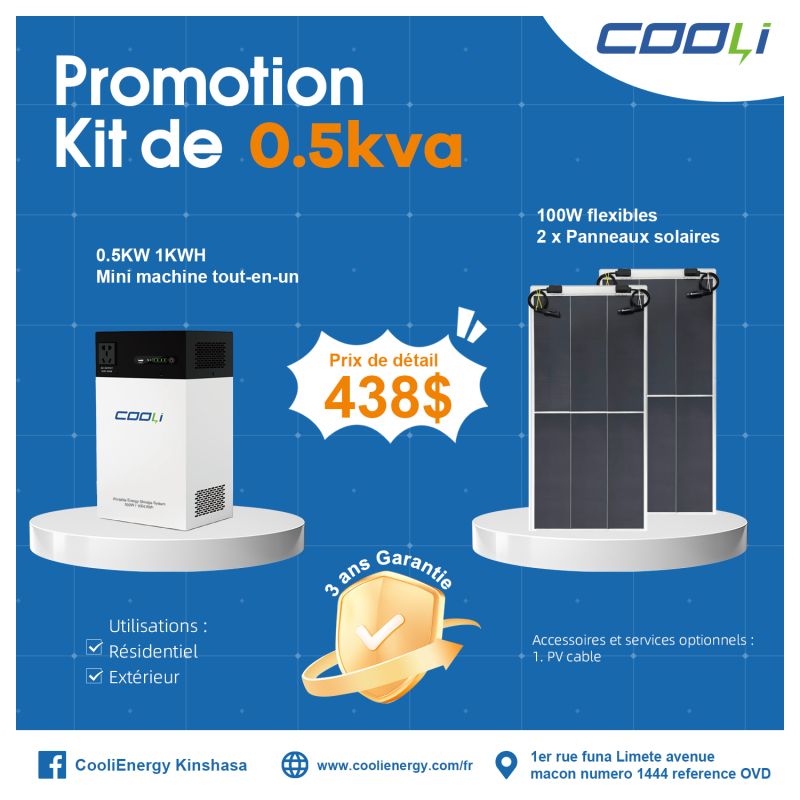
- 5 kWh lithium battery: around $1,000+
- 10 kWh system: $2,000+
- Full solar + battery setup: $3,000 to $6,000
⚠️ Important:
Very cheap batteries in the market are often low-quality or mislabeled. They may fail in less than a year.
Battery vs Generator: What Do People Prefer Now?
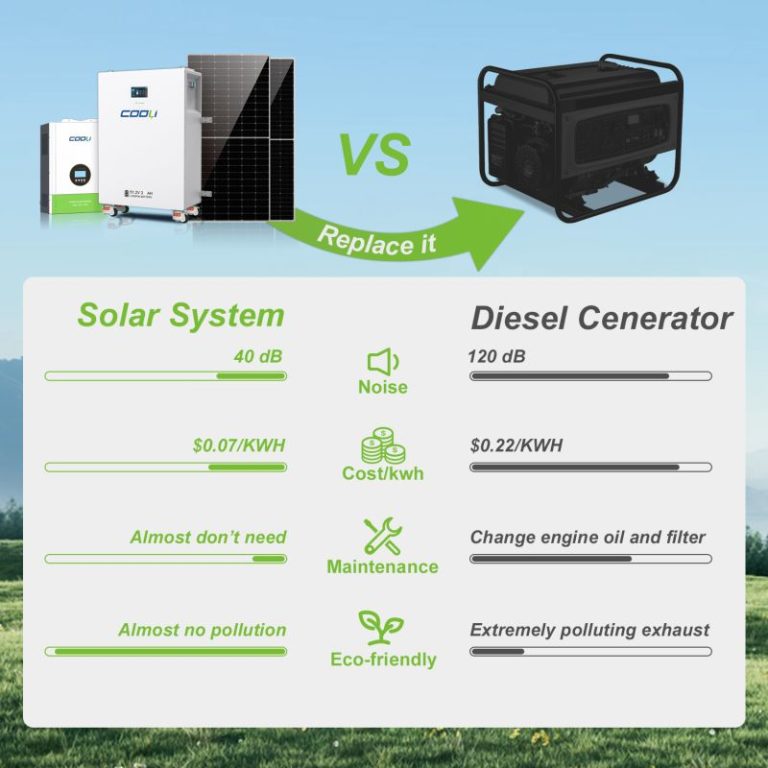
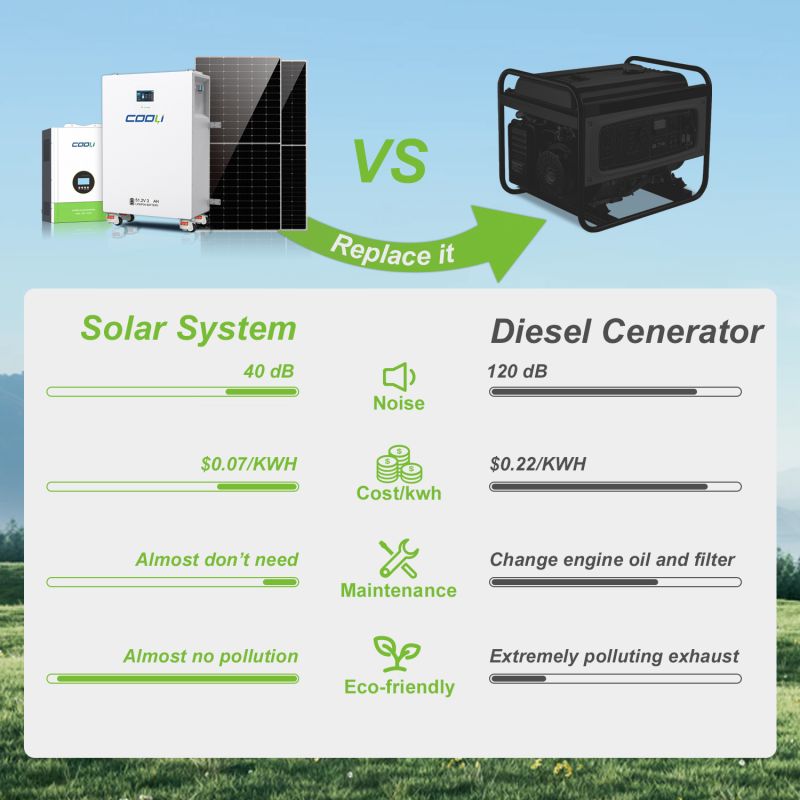
In the past, generators were the only option. Today, the trend is changing.
Generators:
- Need fuel every day
- Noisy
- Frequent maintenance
Battery systems:
- Silent
- Lower running cost
- Works automatically
👉 Many households now use batteries as the main system, with generators only as backup.
What to Check Before You Buy
This is where many buyers make mistakes.
Before purchasing, always confirm:
- Is it real LiFePO4 or just labeled as lithium?
- How many cycles does it support?
- Is there local support in Kinshasa?
- Can it work with your inverter?
If a seller cannot answer these clearly, be careful.
Why Local Stock Is Very Important
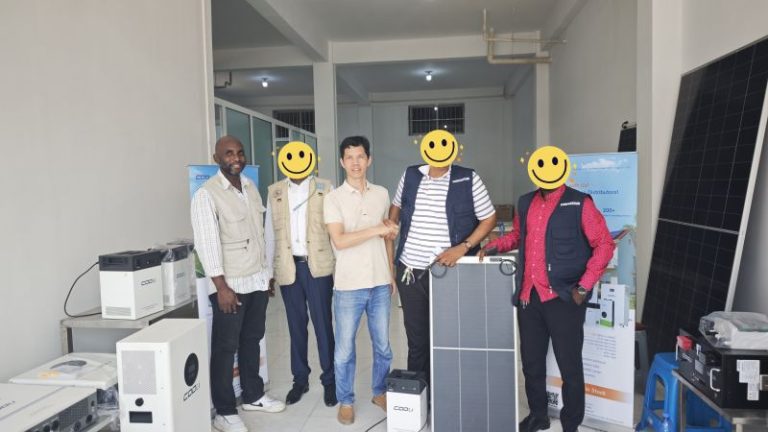
Shipping to DR Congo is not always smooth. Delays, customs issues, and lack of support can become big problems.
That’s why smart buyers prefer suppliers who offer:
- Local warehouse in Kinshasa
- Installation support
- After-sales service
👉 This reduces risk and saves time.
A Practical Buying Strategy (For Homes & Resellers)
If your goal is long-term reliability, a good setup usually includes:
- 5–10 kWh lithium battery
- Hybrid inverter
- Optional solar panels
This combination gives:
- Day + night power
- Lower electricity cost
- Protection from outages
For resellers, products with local availability + stable quality are easier to sell and scale.
Final Thoughts
In Kinshasa, the question is no longer “Do I need a battery?”
The real question is:
“Which battery will last and not waste my money?”
From real market experience, the answer is clear:
👉 Choose a properly sized lithium (LiFePO4) system with local support.
It may cost more at the beginning, but it saves far more over time.