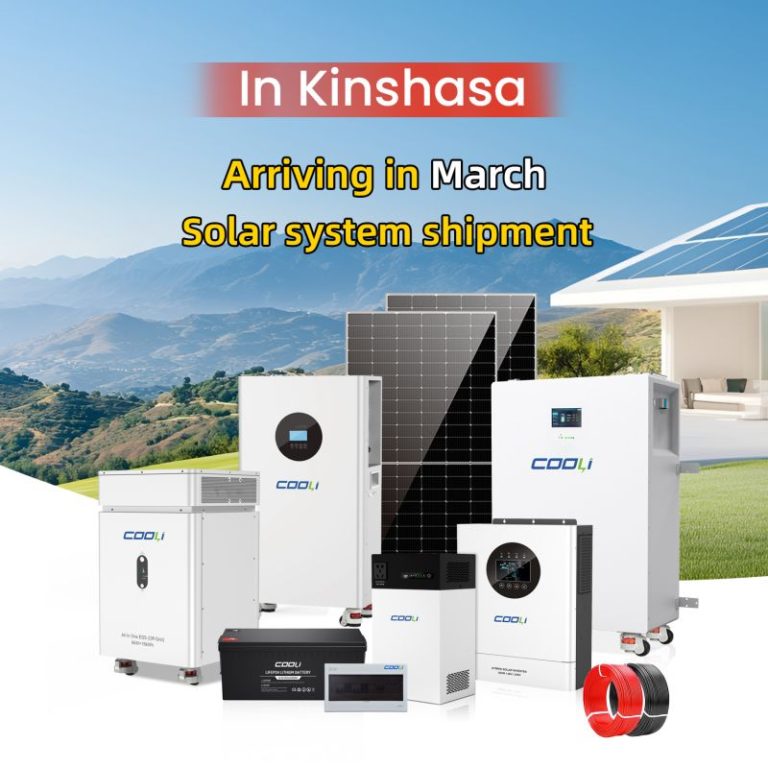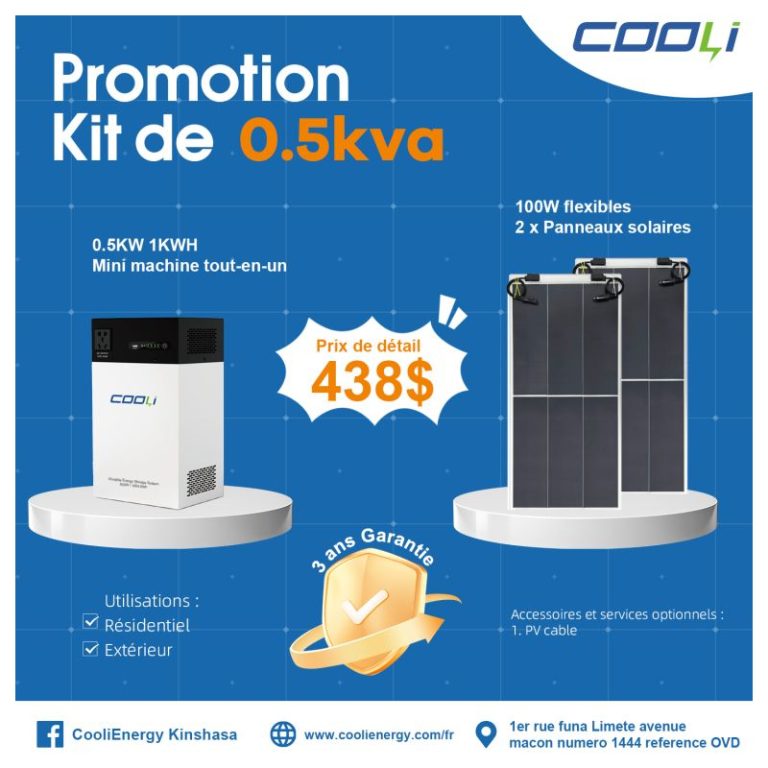
In many African cities, electricity is not something people take for granted. Power outages can happen without warning, sometimes lasting for hours or even an entire evening. In Kinshasa, for example, it is common for families to keep candles or backup lights ready because the grid can fail at any time.
For a long time, diesel generators were the only reliable solution. But things have started to change. Over the past few years, more households across Africa have begun installing solar energy storage systems that combine solar panels with lithium batteries.
Among all the different configurations available today, one setup appears again and again in residential installations: a 5kW solar inverter paired with a 10kWh lithium battery.
Solar installers across the region often describe this combination as the “sweet spot” for African homes, because it offers enough power for daily life without requiring the large investment of bigger systems.
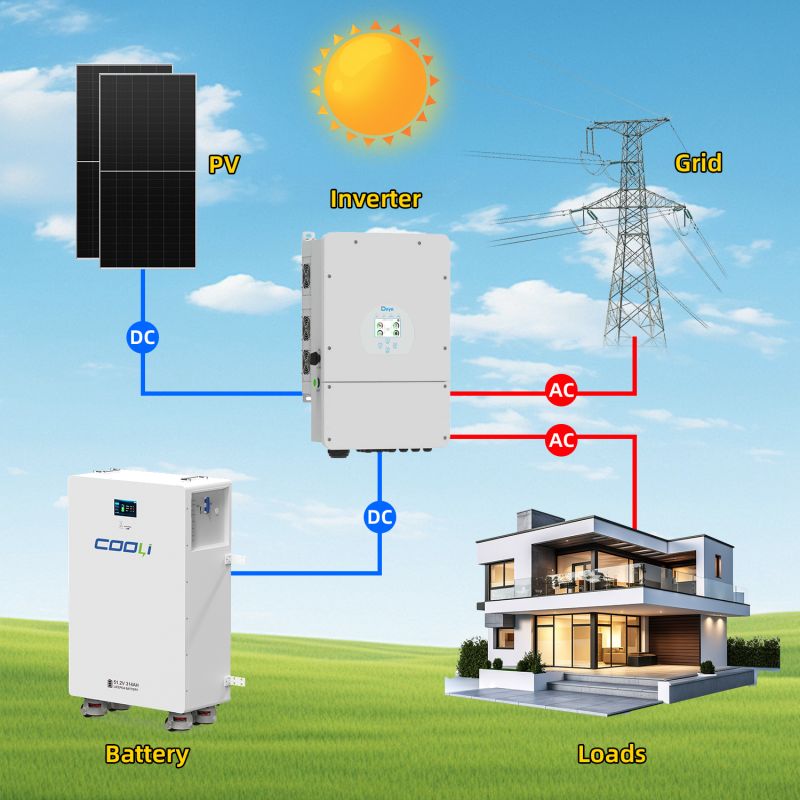
Table of Contents
A System Size That Matches Real Household Needs
One reason the 5kW solar system has become so popular is that it closely matches the electricity usage patterns of many African households.
In a typical home, the main electricity loads are relatively predictable: lighting, a refrigerator, televisions, phone charging, internet equipment, and sometimes a washing machine or small water pump. These appliances do not require extremely high power, but they do need stable electricity throughout the day.
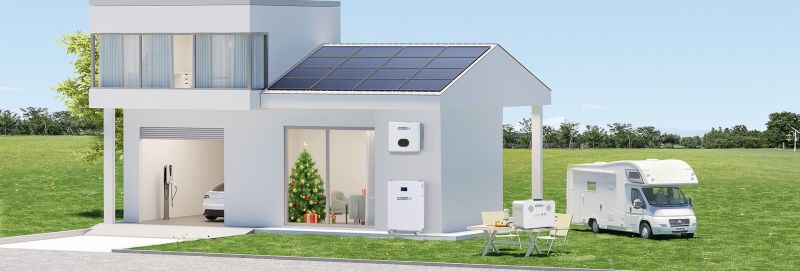
A 5kW inverter can comfortably support these loads, especially when the system is designed properly. During the day, solar panels generate electricity to power the house directly while also charging the battery. When the sun goes down or the grid fails, the stored energy in the battery keeps the home running.
This simple balance between generation and storage is one of the reasons this configuration works so well in cities like Kinshasa, Lagos, Nairobi, and Kampala.
What a Typical 5kW Solar Installation Looks Like
Although installations vary slightly depending on the installer, most 5kW residential solar systems in Africa follow a similar structure.
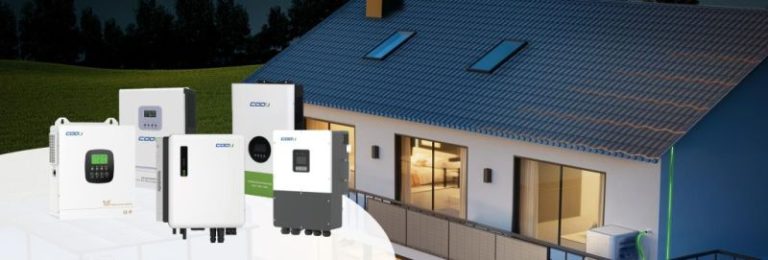
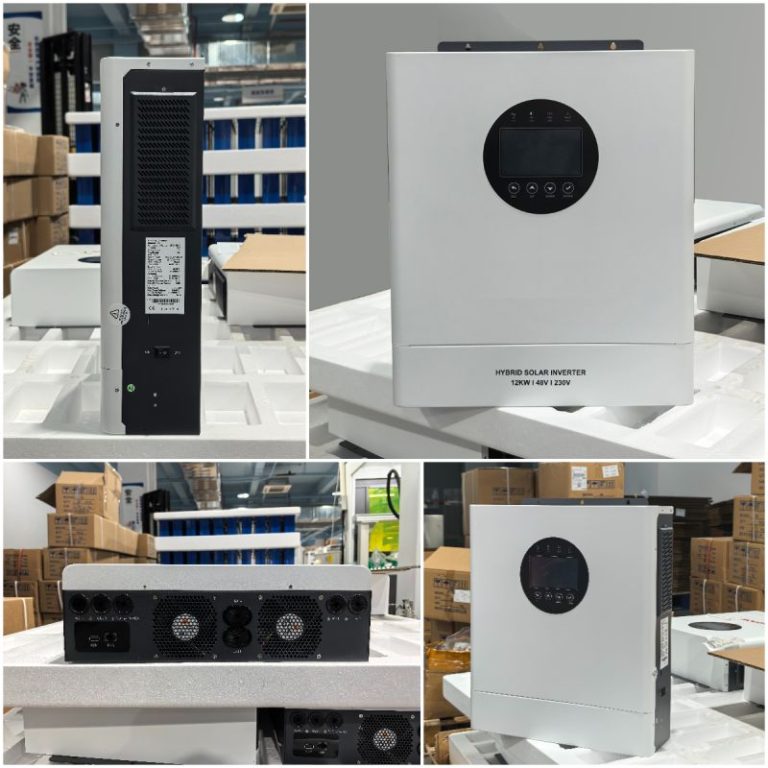
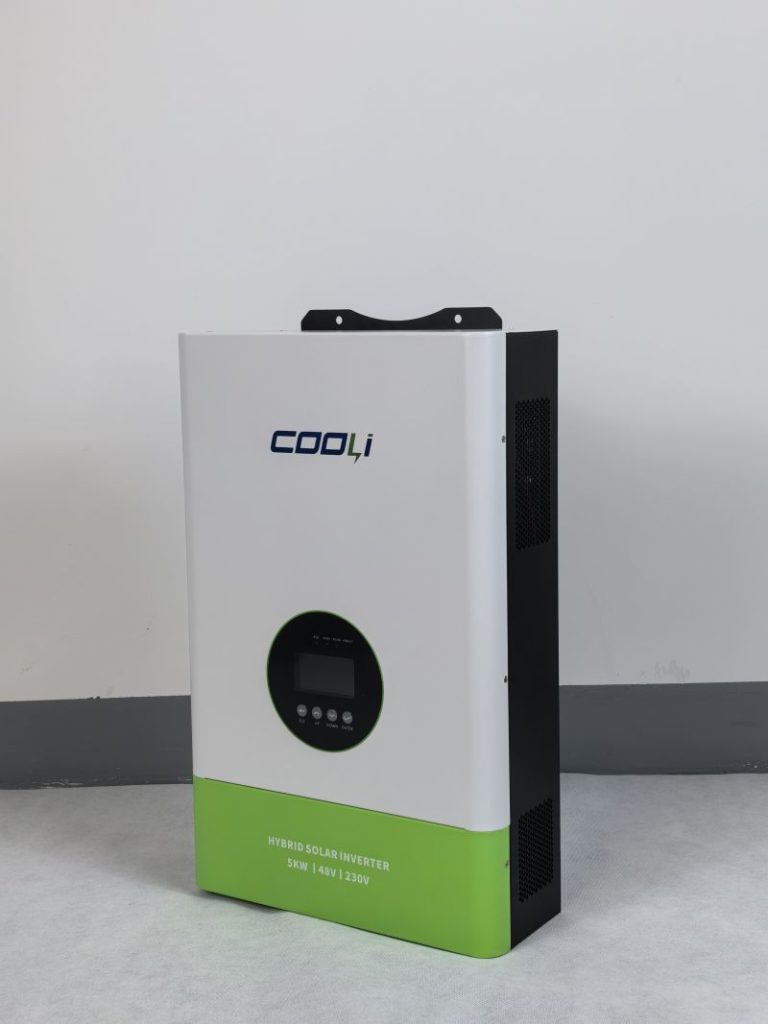
The system normally includes a hybrid inverter, which acts as the control center. It manages electricity from the solar panels, the battery, and the grid.
Next comes the lithium battery, usually around 10kWh in capacity. Today, most installers prefer LiFePO4 batteries because they last longer and require little maintenance. With a cycle life that often exceeds 6000 cycles, these batteries can operate for many years before needing replacement.
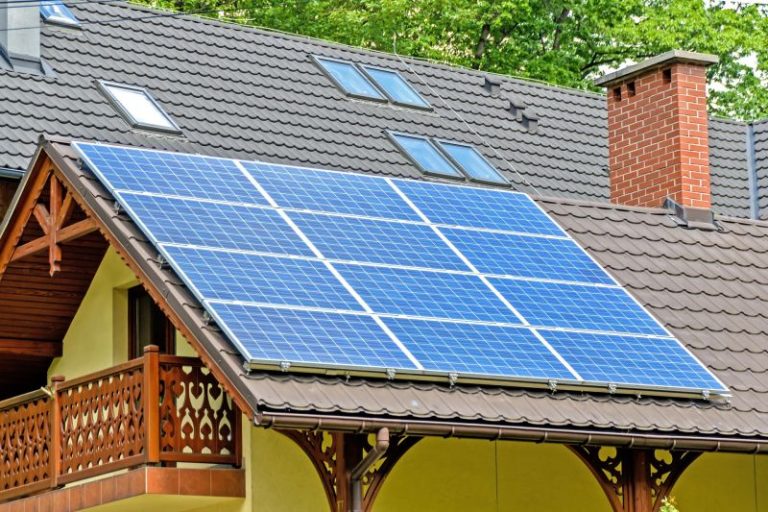
Solar panels complete the system. Many homes install eight to ten high-efficiency panels, often around 550 watts each. This provides roughly 4.5kW to 5.5kW of solar generation capacity, which pairs well with a 5kW inverter.
Additional components such as mounting structures, circuit protection, and monitoring systems ensure the installation operates safely.
How Much Energy Can the System Produce?
Africa benefits from excellent solar conditions compared with many other parts of the world. In most regions, solar panels receive strong sunlight for much of the year.
Because of this, a 5kW solar system in Africa can typically generate around 20 to 30 kilowatt-hours of electricity per day.
For many households, this amount of energy is enough to cover everyday consumption, including:
- refrigerators
- LED lighting
- televisions
- WiFi routers
- laptops and phone chargers
- washing machines
- fans
Some households even use the system to operate small air conditioners for limited periods.
The Importance of Battery Storage During Blackouts
إن 10kWh battery becomes especially important when the electricity grid stops working.
Instead of immediately losing power, the home automatically switches to battery mode. If the household only uses essential appliances during the evening, the battery can often provide six to fifteen hours of electricity.
For families in Kinshasa, this means a power outage no longer disrupts dinner, internet access, or evening activities. The home simply continues operating as usual.
This kind of reliability is one of the main reasons solar storage systems are spreading quickly across the continent.
Why More Families Are Moving Away from Generators
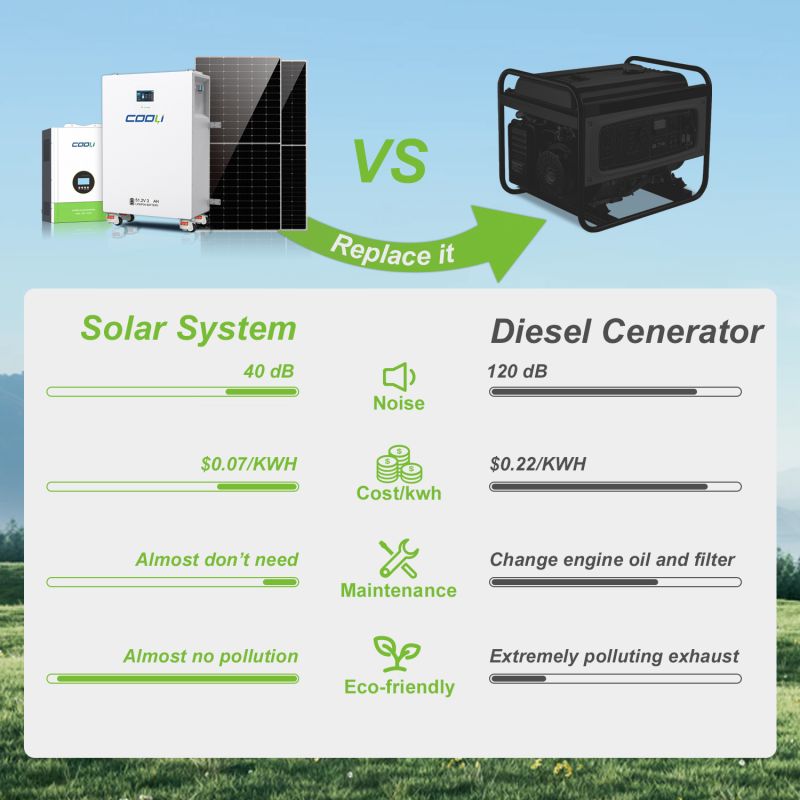
Diesel generators have long been part of everyday life in many African cities. While they provide backup power, they also come with several disadvantages.
Fuel costs continue to rise, and generators require regular maintenance. They are also noisy, which can be unpleasant in residential areas.
Solar energy systems work differently. Once installed, they generate electricity silently from sunlight. The only major component that gradually wears out is the battery, and modern lithium batteries can last many years.
For homeowners comparing long-term costs, solar systems often become the more attractive option.
Rising Demand for Solar Energy in Kinshasa
The growth of solar installations in Kinshasa reflects a broader trend across Africa. As cities expand and electricity demand increases, households are looking for alternatives to unreliable grid power.
Installers have found that the 5kW solar system with a 10kWh battery provides the right balance of affordability and performance for most families. Because of this, it has gradually become the standard residential solar configuration in many African markets.
Conclusion
Solar energy storage is no longer a niche technology in Africa. For many households, it is quickly becoming a practical and reliable way to secure electricity.
While systems come in many sizes, the 5kW inverter combined with a 10kWh lithium battery has emerged as the most widely adopted solution for residential use. It offers enough power for daily living, reliable backup during outages, and a cost that remains accessible for many homeowners.
As solar adoption continues to grow in cities like Kinshasa, this configuration will likely remain the backbone of residential energy systems across the region.
FAQ
What is the price of a 5kW solar system in Kinshasa?
A complete 5kW solar system with a 10kWh lithium battery in Kinshasa usually costs between $5,000 and $9,000, depending on the equipment brand and installation complexity.
Is a 5kW solar system enough for a house in Africa?
Yes. A properly installed 5kW solar system can power most common household appliances such as lighting, refrigerators, televisions, internet equipment, and small kitchen appliances.
How long can a 10kWh battery power a home?
A 10kWh lithium battery can typically provide 6–15 hours of backup power, depending on how much electricity the household uses.