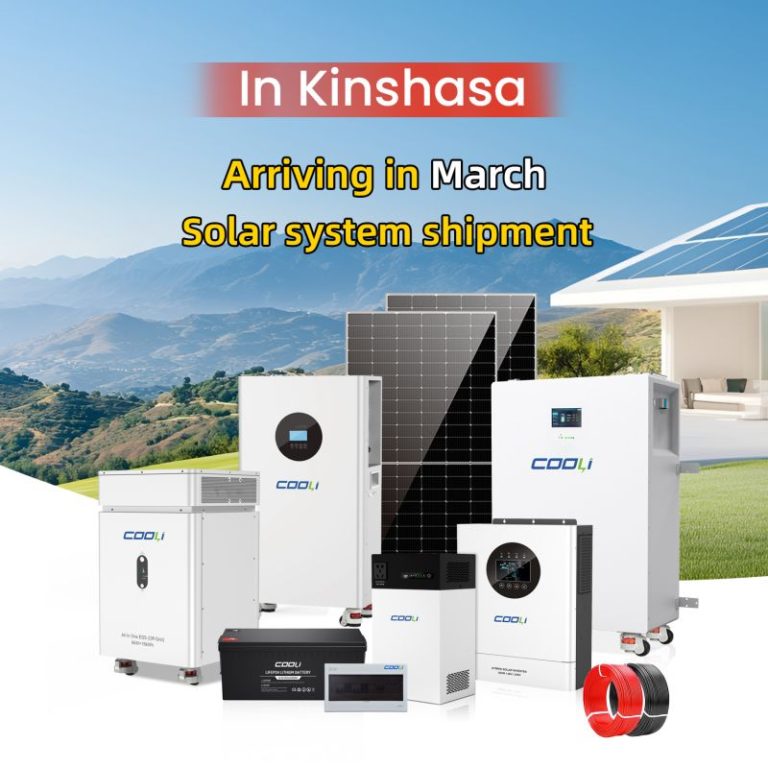
With mature technology and continuously decreasing prices, solar energy is no longer a distant technological concept, but a practical choice for African homes to cope with rising electricity bills and unstable power grids. Whether you live in Nairobi, Lagos, Cape Town, or a remote rural area, this guide will help you get started and build your own solar energy system from scratch.
Table of Contents
Why is now the best time for African homes to install solar energy?
In Africa, the most direct reasons for installing solar energy are affordability and addressing an essential need. Unlike the government-subsidized growth in Europe and America, the adoption of solar energy in Africa is a user-driven, bottom-up movement.
1.Coping with High Electricity and Diesel Costs: For commercial users, the payback period for a solar energy system is only 2-5 years. For homes, although initial investment is required, once the system pays for itself, subsequent electricity bills are almost zero.
2.Solving Power Grid Instability: Especially in countries like South Africa and Nigeria, frequent power outages (load shedding) significantly disrupt daily life and work. Solar power combined with battery storage provides you with an independent and reliable power supply.
3.Equipment prices are becoming increasingly affordable: Thanks to large-scale production by Chinese manufacturers such as LONGi, Jinko, JA Solar, and Trina Solar, the prices of solar panels, batteries, and inverters continue to fall. The market is now flooded with cost-effective equipment that is affordable for ordinary families.
What are the components of a complete home solar system?
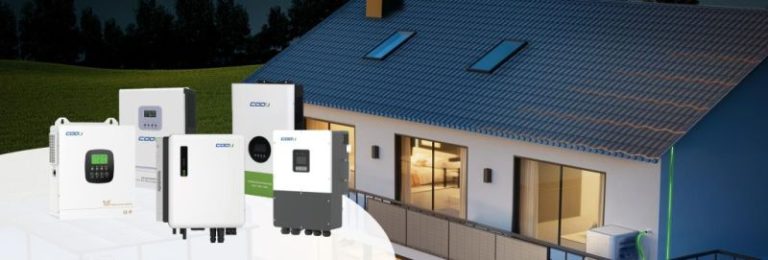
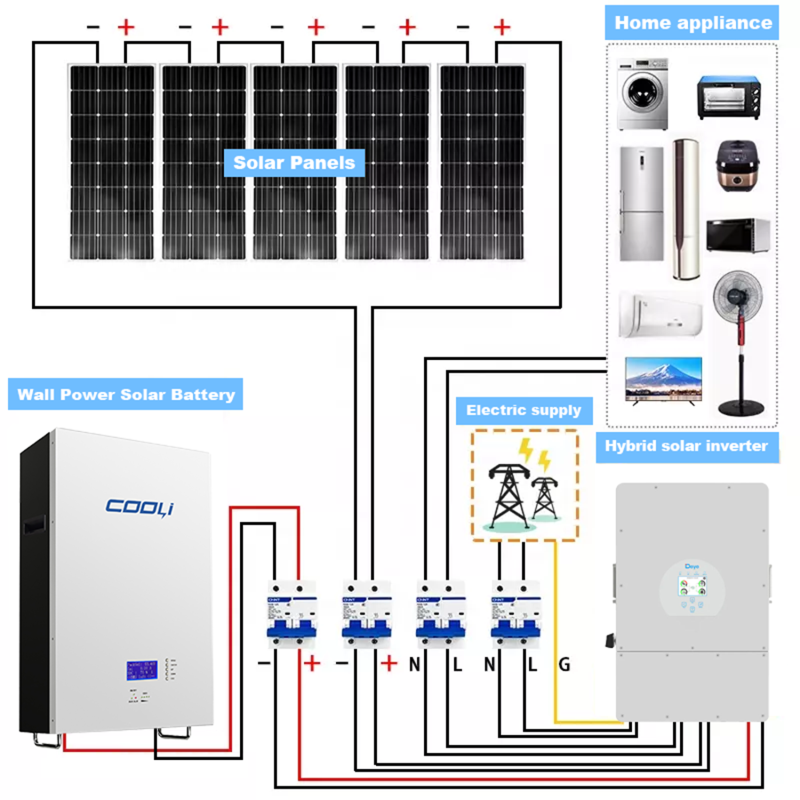
Before you go to the market to buy, you need to understand the core members of this system. Each has its own function and is indispensable:
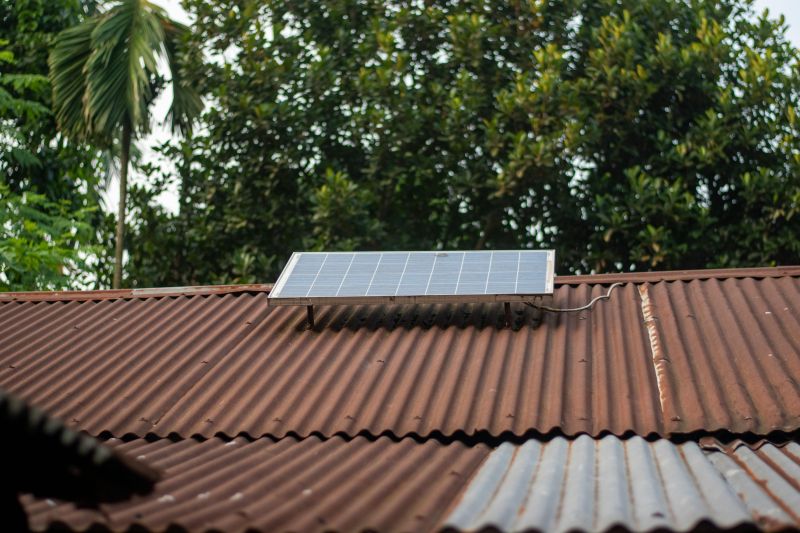
- الألواح الشمسية: These are the system’s “generators,” responsible for absorbing sunlight and generating direct current (DC). Currently, monocrystalline silicon panels are the mainstream and suitable for the hot climate of Africa. They are highly efficient, have good heat resistance, and are usually black in appearance. If you have a limited budget and a large roof space, polycrystalline silicon panels are also an option, and they are blue in appearance.
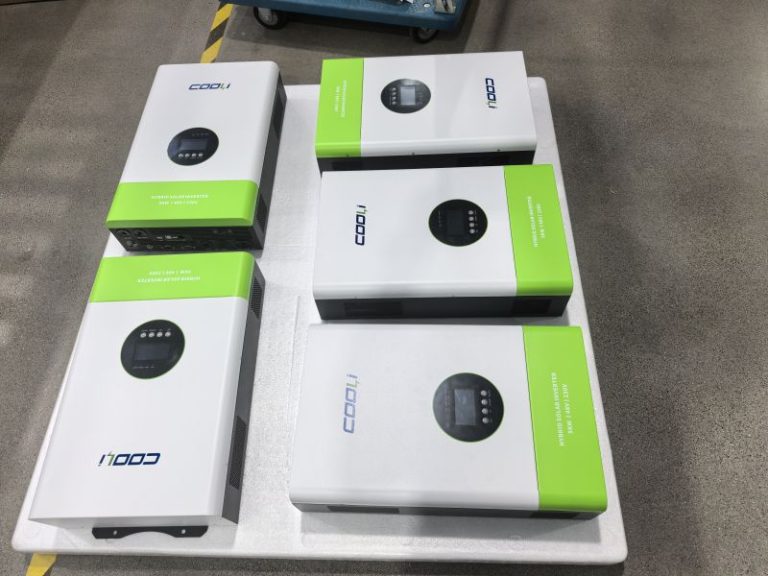
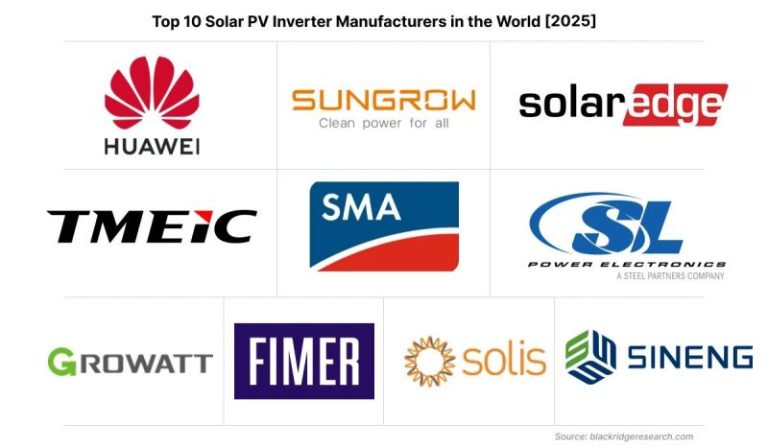
- Inverter: This is the system’s “translator,” converting the DC power generated by the solar panels into alternating current (AC) usable by household appliances. Currently, Huawei and Sungrow are strong players in large-scale projects in Africa, while brands like Growatt are also common in the residential market.
- Batteries: These are the system’s “piggy bank,” storing unused electricity for nighttime use or as emergency power during power outages. Lithium iron phosphate (LiFePO4) batteries are currently the most popular due to their long lifespan and safety. In South Africa, the local brand Freedom Won is very popular.
- Mounting Brackets and Cables: These are the system’s “skeleton and blood vessels,” ensuring the solar panels are securely mounted on the roof and safely delivering power to various devices.
Which Brand of Solar Panels to Buy? Popular Recommendations in the African Market
Based on a 2024 survey of 288 installers in South Africa, the following are the most favored brands by professionals, typically indicating reliable quality and after-sales support:
Most Popular Brands:
JA Solar: Preferred by approximately 24% of installers, leading market share.
Canadian Solar: Preferred by approximately 21% of installers, globally renowned.
Other Tier 1 brands include Jinko Solar, Trina Solar, and LONGi. These are the top three global shippers, known for their stable performance.
Local brands: In South Africa, local brands like ArtSolar from Durban are emerging. They typically use modules from top-tier manufacturers for assembly, making them better suited to local market needs.
Special Note: Currently, 85%-90% of modules in the African market come from China. For the hot climates of some parts of Africa, N-type TOPCon technology modules are becoming a new mainstream choice due to their superior performance at high temperatures.
Where to buy solar equipment?
In Africa, there are many channels for purchasing solar energy products. You can choose according to your needs:
Local professional distributors:
East Africa: Companies like Transform Energy (Kenya) represent international brands such as UKSOL, providing equipment that meets local standards. AG Energies is also an active distributor in East Africa, offering a full range of products including modules, pumps, and water heaters.
Nigeria: Consider suppliers like Tikweld Welding Supplies و ME3 Energy. You can even find various solar panels, inverters, and batteries on the Jumia e-commerce platform.
Contact Installers Directly: In South Africa, many installers (such as AWPower and Rubicon) are also distributors. They not only sell you equipment but also provide professional installation services. The advantage of buying through installers is that they will design the most suitable solution based on your home’s electricity usage habits (i.e., an energy audit), avoiding the mistake of buying the wrong equipment.
How Much Does a Home Solar System Cost? (Taking Major African Markets as Examples)
The cost mainly depends on your electricity needs. Here are some references (please note exchange rate fluctuations):
Entry-Level Configuration (Nigeria):
Small System (Basic Lighting, Charging): Approximately 500,000 – 1,000,000 Naira.
Medium System (Capable of Powering a Refrigerator, Fan, and TV): Approximately 2,500,000 – 5,000,000 Naira (including installation fees).
Mortgage Options (South Africa):
For those who don’t want to pay a large sum upfront, leasing or installment payment options are popular in the South African market. For example, a basic system with an inverter and batteries can be rented for approximately 800-1000 Rand per month (about 300-400 RMB).
Metrowatt: 792 Rand per month (5kW inverter + 5kWh battery).
Stage Zero: 799 Rand per month (with solar panels, no battery).
Avo Solar: 990 Rand per month (with 3 panels, 3kW inverter, 3kWh battery, ultimate ownership).
Installation and Maintenance: Details African Users Must Pay Attention To
the following details summarized by African users are crucial for extending the lifespan of your solar system:
Orientation and Angle: In southern Africa (such as South Africa), solar panels are best installed facing north; in northern Africa (such as Nigeria), south-facing installation with a slight tilt angle is generally recommended to maximize sunlight capture.
Regular Cleaning: Africa is dusty, especially during the dry season. Dust accumulation can severely impact power generation efficiency. Remember to wipe the panels with a soft cloth and clean water every few months, or depending on local dust levels.
Don’t just go for the cheapest option: Many experienced users advise against buying the cheapest off-brand equipment. While the initial investment may be higher, choosing a reputable brand will prevent frequent breakdowns and replacements later on, saving you time and money.
Always install batteries: If you only install solar panels without batteries, your system will automatically shut down to protect maintenance personnel during a power outage, leaving you helpless. Adding batteries is essential for true power freedom.
Conclusion
The energy future of Africa is being reshaped by solar panels. Whether you want to escape high electricity bills or say goodbye to unpredictable power outages, now is the best time to start planning. Begin by understanding your electricity needs, finding a reliable local supplier, and investing in high-quality equipment; you can create a bright and stable future for yourself.